
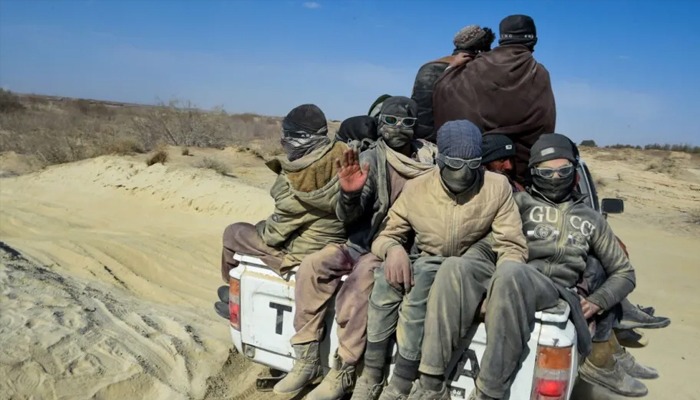
Fourteen Afghan nationals attempting to travel to Iran have been found dead in a desert area of southwestern Afghanistan. The Afghan migrants found dead in desert were reportedly trying to cross the border route when they faced severe conditions during their journey.
According to foreign media reports, officials said the group had been missing for several weeks. The migrants were traveling by vehicle toward Iran, but after their vehicle broke down, they continued their journey on foot in search of a way forward.
The search operation began in Nimroz province after the vehicle driver reached a nearby village in a severely exhausted and dehydrated condition. The driver reportedly requested assistance, leading authorities to begin searching for the missing travelers.
Officials initially discovered five bodies and later launched further efforts to locate the remaining members of the group. Authorities continued searching the desert area where the migrants were believed to have continued walking.
Local hospital sources said that 14 bodies were recovered from beneath the sand on Saturday. Nimroz is considered one of Afghanistan’s hottest and driest regions, with temperatures reaching around 45 degrees Celsius during the current period.
The harsh desert environment, extreme heat, and lack of water make migration routes through the region extremely dangerous. Many migrants attempting irregular border crossings face serious risks due to difficult weather and limited access to basic necessities.
Afghan authorities have renewed their commitment to fighting human trafficking networks. Interior Ministry spokesperson Abdul Mateen Qani said officials are continuing operations against human smuggling activities and working to prevent such dangerous journeys.
The deaths of the Afghan migrants found dead in desert highlight the risks faced by people using illegal migration routes. Authorities continue to urge travelers to avoid unsafe crossings and rely on legal migration procedures.