
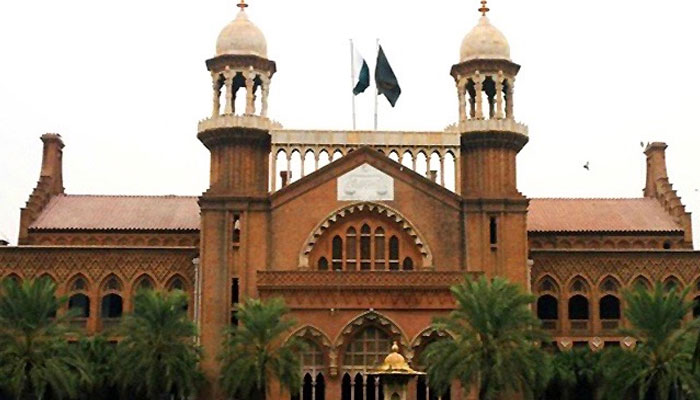
The Lahore High Court Rawalpindi Bench has ruled that a woman is entitled to receive her Haq Mehr even if rukhsati has not taken place or the marriage was never consummated. The decision was issued while hearing an appeal related to khula and dower rights.
The court accepted the woman’s appeal and set aside the judgments previously issued by lower courts. The ruling provides important clarification regarding a woman’s legal and financial rights following marriage and divorce proceedings.
According to the judgment, the absence of rukhsati or marital relations does not affect a woman’s entitlement to Haq Mehr. The court emphasized that the obligation to pay dower remains valid unless otherwise specified under the law.
The ruling further stated that if the time for payment of Haq Mehr is not clearly mentioned in the marriage contract, the entire amount becomes immediately payable. This principle ensures that women can claim their lawful financial rights without unnecessary delays.
The court also observed that if the details of Haq Mehr are unclear or insufficiently defined in the Nikahnama, the full amount must be paid upon demand. The judgment highlights the importance of clear documentation in marriage contracts.
Regarding khula, the Rawalpindi Bench reaffirmed that it is an independent legal and religious right available to women. The court stated that a husband’s consent is not a mandatory requirement for the grant of khula.
The judgment concluded that a decree of khula may be issued when reconciliation becomes impossible and the wife remains firm in her decision. Furthermore, the court noted that after khula becomes effective and the waiting period (iddat) is completed, a woman is legally permitted to remarry. The appeal had been filed by a woman seeking relief in matters related to khula and Haq Mehr.