
Canadian wildfire smoke severely impacted Toronto on Wednesday, pushing the city’s air quality to one of the worst levels in the world and prompting health authorities to advise residents to avoid prolonged outdoor activities. Smoke from large wildfires burning in northwestern Ontario also drifted into parts of the northeastern United States.
Environment Canada reported an Air Quality Health Index (AQHI) reading of 10+, placing Toronto in the “very high risk” category. Officials warned that hazardous air conditions could continue through Thursday night as smoke remained widespread across southern Ontario.
The smoke also affected several US states, including New York and New Jersey. Authorities in New York issued air quality alerts and advised residents to reduce strenuous outdoor activities, while forecasters said smoky conditions could persist through the end of the week.
The Canadian wildfire smoke also disrupted public events. Toronto canceled its FIFA Fan Festival and a scheduled World Cup watch party at Nathan Phillips Square because of unhealthy air conditions. Organizers cited public health concerns as the reason for the decision.
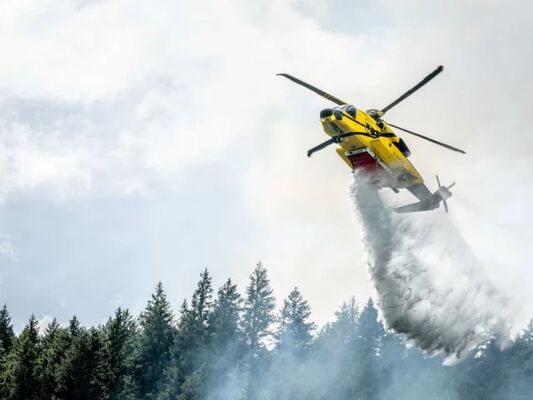
According to Canadian government data, 835 wildfires were active across the country on Wednesday, including 112 fires classified as out of control. Nearly 1.9 million hectares of land have burned so far this season, with the worst-affected provinces including Manitoba, Saskatchewan and Ontario.
The wildfires also disrupted transportation and emergency operations. Canadian National temporarily suspended rail services near Armstrong, Ontario, after nearby fires forced evacuations. In addition, two groups of children from Minnesota who were camping in the Canadian wilderness were safely rescued following evacuation efforts involving the Canadian military.
Experts say climate change is increasing the frequency and intensity of wildfire smoke events across North America. Officials continue to advise vulnerable people, including children, older adults and those with respiratory illnesses, to stay indoors when possible and monitor local air quality updates.