

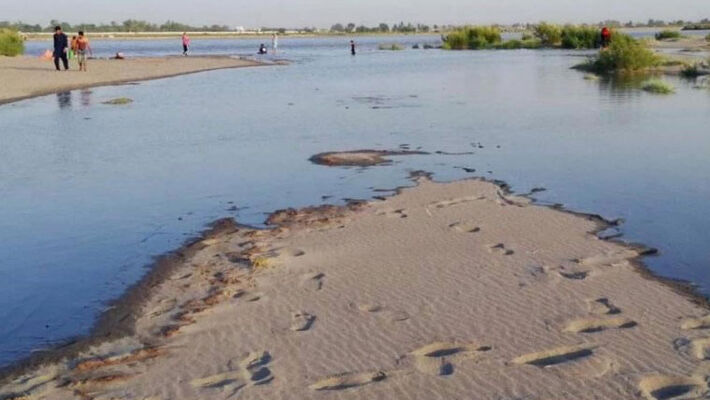
The Chenab River water inflow from India into Pakistan has declined significantly over the past four days, raising fresh concerns about water availability and the implementation of the Indus Waters Treaty. According to the latest data released by WAPDA, water flow at Head Marala has dropped sharply, prompting experts to closely monitor the situation.
Official figures show that the inflow at Head Marala decreased to 50,300 cusecs on Thursday. Just four days earlier, the river was carrying 71,900 cusecs of water. The decline of 21,600 cusecs in such a short period has drawn attention from water experts and policymakers.
Specialists warn that if the Chenab River water inflow continues to decrease, Pakistan’s irrigation system, agricultural sector, and water reservoirs could face increasing pressure. The reduction may particularly affect the ongoing Kharif season, when crops require a steady water supply.
The Indus Waters Treaty, signed between Pakistan and India in 1960, grants Pakistan primary rights over the western rivers—Indus, Jhelum, and Chenab—while India controls the eastern rivers Ravi, Beas, and Sutlej. The agreement also allows India to build limited hydropower projects under specific conditions.
Pakistan has repeatedly expressed concerns over several Indian hydropower projects on western rivers, arguing that changes in water flows violate the spirit of the treaty. In the past, Islamabad has raised objections to projects such as Baglihar, Kishanganga, and Ratle through international legal and diplomatic channels.
Water experts believe that prolonged reductions in river flows could affect canal supplies across Punjab and reduce irrigation for key Kharif crops, including rice, cotton, sugarcane, and fodder. Lower inflows may also increase pressure on major reservoirs, including Mangla and Tarbela, with possible implications for hydropower generation.
Experts have urged authorities to continuously monitor river flows and fully utilize the legal and diplomatic mechanisms available under the Indus Waters Treaty. They say timely action will be essential to safeguard Pakistan’s water rights and reduce the long-term impact on agriculture and the national economy.