
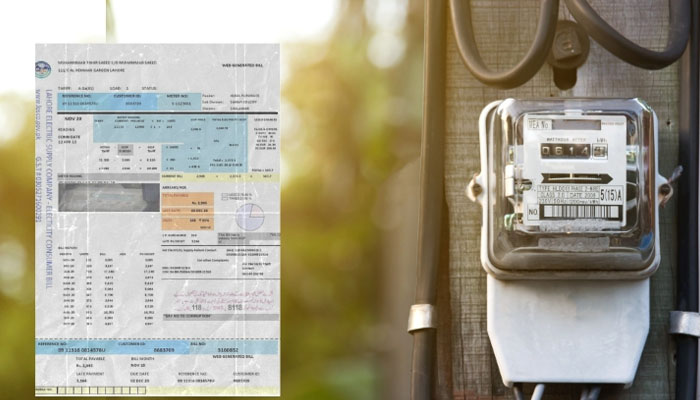
Pakistan’s FBR Electricity Bill Tax Collection exceeded Rs476 billion during the fiscal year 2025-26, according to figures presented by Federal Board of Revenue (FBR) officials before the Senate Standing Committee on Finance. The data highlights the significant contribution of electricity bills to the country’s tax revenue through both sales tax and income tax collections.
Officials informed the committee that the total amount included Rs351 billion collected as sales tax and Rs124 billion as income tax through electricity bills. The figures reflect the government’s continued reliance on utility bills as an effective mechanism for collecting direct and indirect taxes from consumers across different sectors.
The committee was also briefed on tax collections from previous years. According to FBR officials, tax receipts through electricity bills reached Rs562 billion in FY2024-25, while Rs515 billion was collected in the preceding fiscal year. Earlier, Rs313 billion had been generated during FY2022-23, demonstrating a steady contribution of electricity-related taxation to national revenues.
Breaking down the income tax collection, FBR officials stated that industrial consumers contributed Rs66 billion, while commercial consumers paid Rs52 billion in withholding tax. Non-filer domestic consumers accounted for Rs4.82 billion, whereas Rs137 million was collected from household consumers under the relevant provisions of the Income Tax Ordinance.
The committee was further informed that the Rs351 billion in sales tax included Rs269 billion in standard sales tax, Rs55 billion in additional tax, Rs55 billion in further tax, and approximately Rs16.5 billion collected from retailers through electricity bills. These figures illustrate the wide range of tax categories applied to electricity consumption across Pakistan.
During the same meeting, the Senate committee also discussed complaints regarding dress code practices in commercial banks. Senator Zarqa raised concerns that some banks were allegedly requiring female employees to wear an abaya while on duty. The issue prompted members to seek clarification from the banking regulator.
State Bank Governor Jameel Ahmad told the committee that the central bank has already issued clear instructions stating that no bank can compel women to wear an abaya. The committee directed banks to issue formal compliance circulars and submit reports confirming adherence to the State Bank’s policy, ensuring that workplace dress choices remain free from mandatory religious or cultural requirements.