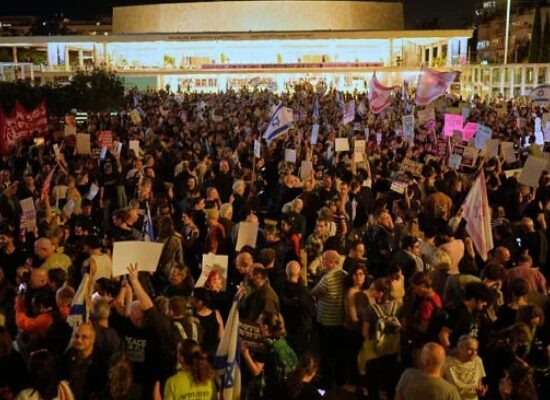

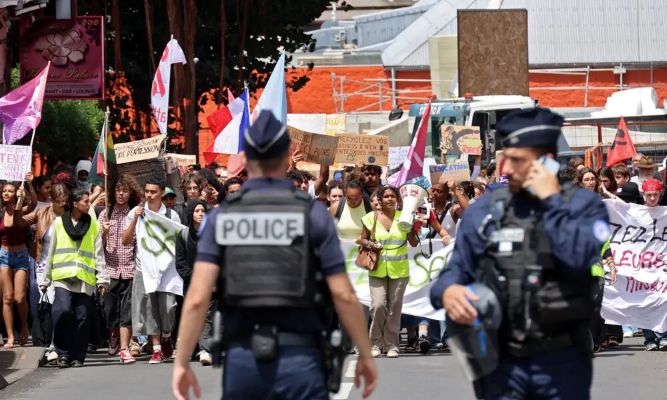
French school protests resumed on Monday as students returned from a two-week break, although demonstrations were smaller than in previous weeks. Students attempted to block several high schools in Paris, Marseille and Rennes. They are demanding better education facilities, more teachers and fairer access to universities while rejecting the government’s proposals.
France’s Education Ministry reported that 41 high schools, representing around 1% of institutions nationwide, faced blockades by 0830 GMT. In comparison, hundreds of schools experienced disruptions before the holiday break. The protests initially began in the Paris suburbs in September before spreading to other parts of the country.
The demonstrations have expanded beyond education concerns to include rising living costs and broader economic grievances. Trade union members and activists have also joined the movement. Some earlier demonstrations turned violent, resulting in clashes with police, looting and unrest in several cities. The protests have also become part of a wider wave of youth-led demonstrations across European countries, including Germany, Italy, Belgium and Albania.
Education Minister Edouard Geffray described the latest school blockades as a limited phenomenon. Speaking to France Inter radio on Monday, he said only a small number of individual schools were involved. He added that students had the right to protest, but blocking access to educational institutions was illegal. Police officers were present at several locations as demonstrations continued.
Students are calling for the renovation of deteriorating school buildings, recruitment of additional teachers and an increase in university places. They also want changes to the university admission system, which they consider socially unfair. Protesters argue that existing arrangements do not provide equal opportunities for students from different social backgrounds.
In response, Geffray presented several proposals last week to address students’ concerns. These included limiting class sizes to 28 students, allocating €4 billion for school renovations and creating 15,000 additional higher education places. The government also proposed introducing a new university admission system by 2028. However, student representatives rejected the measures as insufficient and vowed to continue their demonstrations.
The latest French school protests remain smaller than the demonstrations witnessed before the break. However, students’ decision to resume their movement highlights continuing disagreements with the government over education reforms. The demonstrations also reflect wider concerns about living costs, educational opportunities and public services, putting further pressure on President Emmanuel Macron’s minority government.