
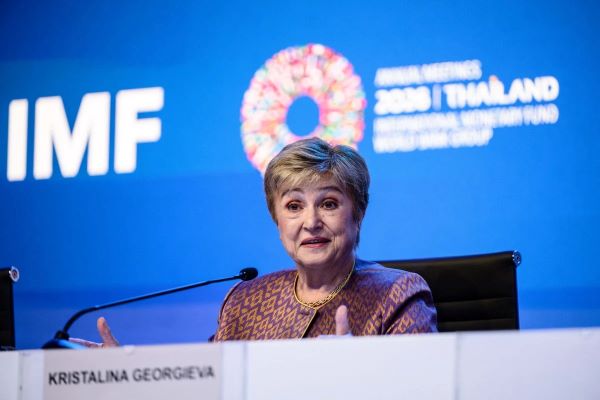
IMF chief Kristalina Georgieva has warned that the Saudi attacks global economic impact could be felt worldwide as energy costs rise and conflicts continue across the oil-rich Middle East. She said recent attacks on Saudi Arabia could create economic challenges for countries far beyond the region.
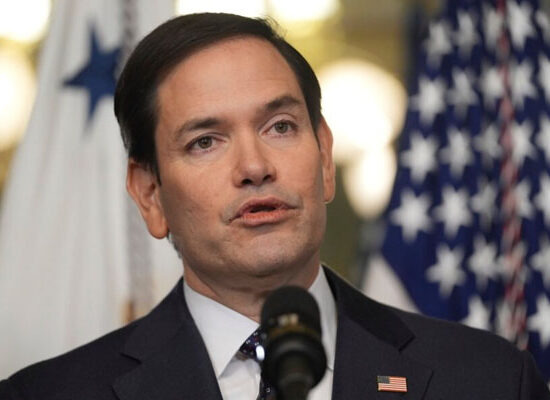
Georgieva made these remarks on Wednesday during a news conference at the annual meetings of the International Monetary Fund (IMF) and the World Bank in Bangkok. She highlighted Saudi Arabia’s importance to both regional stability and the wider global economy.
The IMF managing director said developments affecting Saudi Arabia could have negative consequences for people and economies around the world. Her warning came amid rising energy costs and ongoing conflicts in a region that plays a major role in global oil supplies.
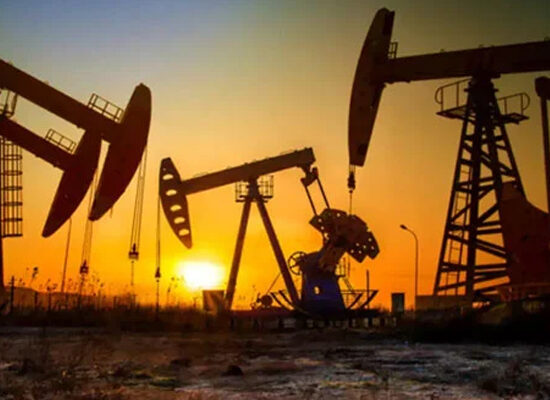
Saudi Arabia holds significant importance in international energy markets because of its position as a major oil producer. Any disruption affecting the country could raise concerns about energy supplies, market stability and the cost of fuel for businesses and consumers.
The Saudi attacks global economic impact could extend beyond oil prices if higher energy costs place additional pressure on economies. Businesses that depend on fuel and transportation may face increased expenses, while households could experience higher costs for essential goods and services.
Rising energy prices can also create difficulties for countries already dealing with inflation and economic uncertainty. Higher fuel and transportation costs may increase production expenses, affect trade and place additional pressure on government budgets. However, the extent of any impact would depend on how the situation develops.
Georgieva’s warning highlights the wider economic risks linked to instability in the Middle East. The IMF chief stressed that Saudi Arabia’s economic importance means developments there can have consequences far beyond its borders. Her remarks underline the need to monitor regional tensions and their potential effects on global energy markets and economic stability.