
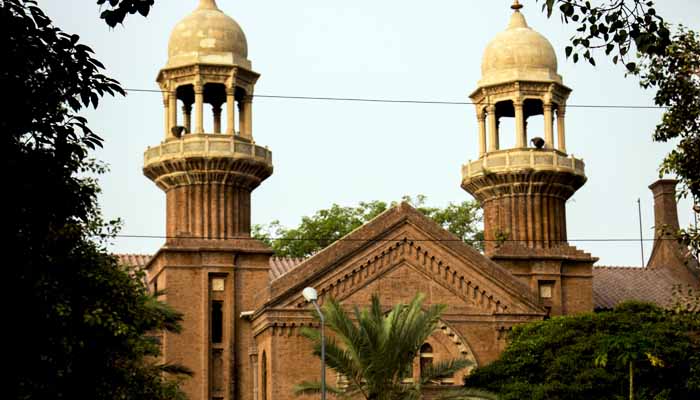
The Lahore High Court CNIC ruling has declared that a citizen’s Computerized National Identity Card (CNIC) is a fundamental right that cannot be taken away, setting aside a Family Court order directing the blocking of a citizen’s identity card. The written judgment emphasized that a CNIC serves as proof of identity and cannot be blocked by a Family Court.
Justice Muzammil Akhtar Shabbir issued the eight-page written verdict while deciding an appeal filed by a citizen challenging the Family Court’s decision. The petitioner argued that the lower court had ordered the blocking of his CNIC after he failed to appear before the court.
The judgment stated that a national identity card is an essential legal document that establishes a person’s identity and enables access to various public and private services. The court observed that depriving a citizen of this document would effectively deny the individual a fundamental legal right.
According to the ruling, Family Courts do not possess the legal authority to order the blocking of a citizen’s CNIC. The High Court further noted that the Supreme Court has already issued clear directions regarding the legal framework governing the blocking of national identity cards.
The petitioner’s counsel informed the court that the applicant was outside Pakistan when the Family Court summoned him, making it impossible for him to appear on the scheduled date. The lawyer argued that the non-appearance should not have resulted in such a restrictive order.
Court records showed that the petitioner’s wife had approached the Family Court to seek enforcement of maintenance payments in a family dispute. During those proceedings, the Family Court ordered the blocking of the petitioner’s CNIC due to his absence.
With this decision, the Lahore High Court reaffirmed that legal proceedings must remain within the limits of the law and that identity documents cannot be used as punitive measures without lawful authority. The judgment is expected to provide guidance in similar family law cases in the future.