
Oil prices rise as escalating hostilities between the United States and Iran fuel fresh concerns over global energy supplies. Investors are closely monitoring developments after renewed military exchanges increased fears of disruptions to key oil shipping routes, including the Strait of Hormuz and the Red Sea.
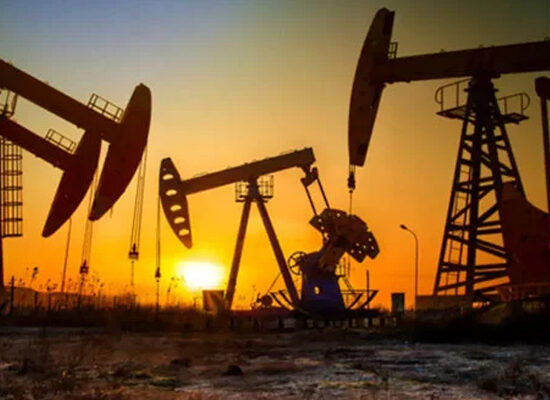
Brent crude futures gained 7 cents to $84.30 per barrel, while US West Texas Intermediate (WTI) crude rose 16 cents to $79.11 per barrel during Friday trading. Both benchmark contracts have recorded gains of nearly 12% this week, reflecting growing geopolitical uncertainty in global energy markets.
Market analysts said the latest price increases were driven by concerns that expanding regional tensions could disrupt oil exports from the Gulf. The possibility of additional supply interruptions has added a geopolitical risk premium to crude prices, keeping markets on edge.
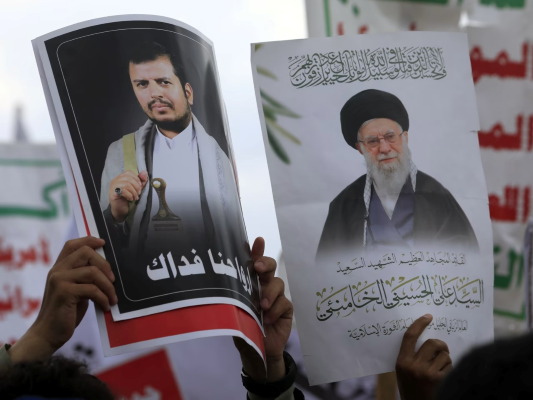
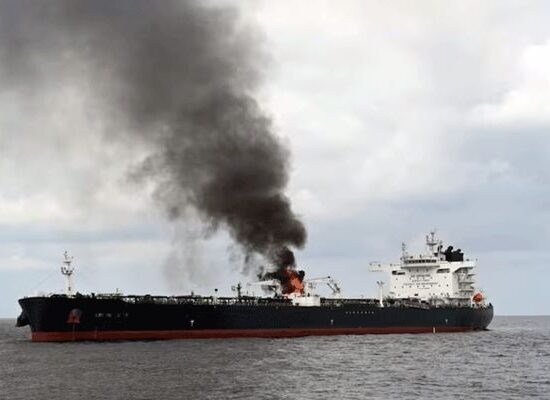
According to Reuters, Iran has asked its Houthi allies to remain prepared to close the Red Sea shipping route if US strikes target Iranian power infrastructure. Such a move could further disrupt one of the world’s most important energy transport corridors and affect global oil supplies.
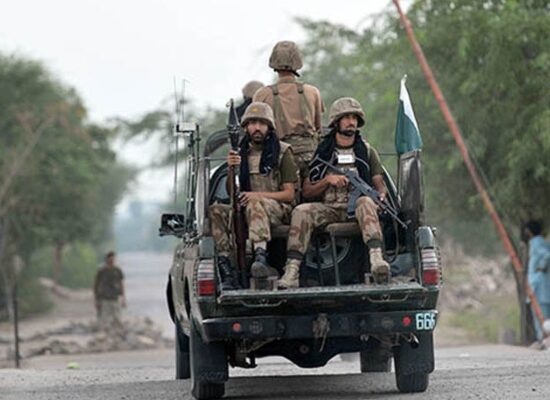
The recent escalation follows continued US air strikes on Iranian targets and Iran’s reported missile and drone attacks targeting US military facilities in the region. The exchange of attacks has increased concerns that the conflict could spread further across the Middle East.
The International Energy Agency (IEA) also warned that energy security remains a major concern. IEA Executive Director Fatih Birol said the situation could become more serious if tensions do not ease in the coming weeks, highlighting the importance of maintaining stable oil supply chains.
Analysts believe crude prices could remain volatile as markets react to geopolitical developments. Investors are expected to closely watch military activity, diplomatic efforts, and any signs of disruption to critical maritime trade routes that play a central role in global energy supplies.