
Oil prices after US strikes on Iran climbed sharply on Thursday as renewed military action increased concerns over global energy supplies and the security of the Strait of Hormuz. Investors reacted to growing geopolitical uncertainty, pushing crude benchmarks higher amid fears that the conflict could escalate further.
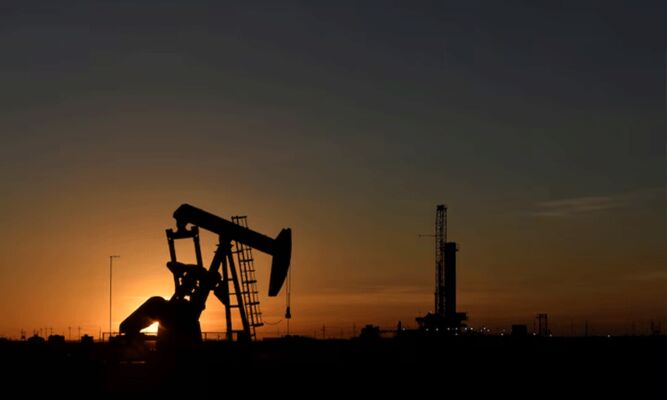
Brent crude futures rose by 1.1%, gaining 86 cents to settle at $78.88 per barrel. Meanwhile, US West Texas Intermediate (WTI) crude increased by 1.2%, or 85 cents, to close at $74.37 per barrel. The gains extended a rally that began after the United States launched a fresh wave of military strikes against Iranian targets.
The latest escalation has weakened hopes for a lasting ceasefire between Washington and Tehran. Analysts say the renewed conflict has restored a significant geopolitical risk premium to global oil markets, with traders pricing in the possibility of prolonged instability across the Middle East.
According to US military officials, American forces struck nearly 90 Iranian military targets along the country’s coastline. The operation reportedly targeted air defence systems, missile and drone storage facilities, surveillance assets and naval infrastructure, with Washington saying the objective was to protect international navigation through the Strait of Hormuz.
Iran had earlier responded to previous US military action by launching attacks on American bases in Bahrain and Kuwait. The continued exchange of military operations has increased concerns that shipping through the Strait of Hormuz, a route responsible for around one-fifth of global oil supplies, could face renewed disruption.
Shipping companies and marine insurers are reportedly exercising greater caution as security risks rise in the Gulf. Energy experts believe uncertainty surrounding regional security could keep freight costs elevated and contribute to continued volatility in international oil markets.
The rise in oil prices after US strikes on Iran reflects growing fears that geopolitical tensions will remain a major driver of energy markets in the coming months. While broader economic factors may eventually influence prices, developments in the Middle East are expected to remain the dominant force behind short-term market movements.