
Pakistan’s economic growth reached 3.7% in 2026, according to the World Bank’s Pakistan Development Update 2026. The report also highlighted changes in inflation, the fiscal deficit and fuel prices. It provided an overview of the country’s economic performance and the financial pressures affecting households and businesses.
The World Bank reported that Pakistan’s economy recorded a growth rate of 3.7% during 2026. The findings offer an assessment of the country’s economic conditions amid continuing challenges related to prices and household expenses. The report also examined developments in public finances and changes in the cost of essential services.
According to the report, average core inflation in urban areas stood at 7.4% during fiscal year 2025–26. Core inflation measures underlying price increases by excluding certain volatile items. The reported figure provides an indication of continuing price pressures in urban markets, although it does not represent the overall inflation rate for every household.
The report also showed an improvement in Pakistan’s fiscal position. The overall fiscal deficit declined to 2.6% of gross domestic product (GDP). The fiscal deficit measures the gap between government spending and revenue. A lower deficit can indicate improved budget management, although its wider economic effects depend on the measures used to achieve the reduction.
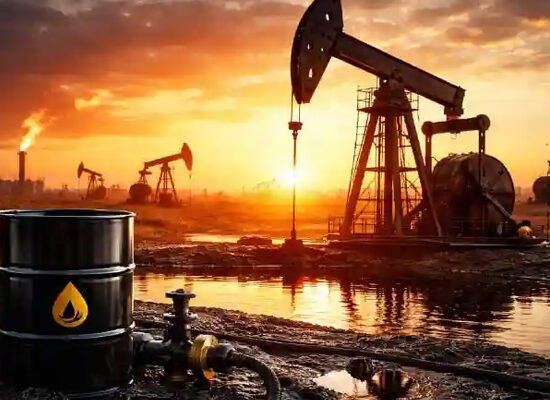
Fuel prices increased significantly between February and June 2026, according to the World Bank. Petrol prices rose by approximately 36%, while high-speed diesel became around 31% more expensive. Liquefied petroleum gas (LPG) prices increased by nearly 46% during the same period, adding to pressure on energy-related expenses.
Transport fares also increased by approximately 30% between February and June 2026. Higher fuel costs can raise transportation expenses and affect the prices of goods and services. These increases may place additional pressure on household budgets and business operating costs, particularly where transport and energy account for a substantial share of expenditure.
The World Bank report further noted that S&P and Moody’s had upgraded Pakistan’s credit ratings. Such upgrades can reflect improved assessments of a country’s ability to meet its financial obligations, although they do not guarantee stronger economic growth or lower borrowing costs. Overall, the report presented a mixed picture of Pakistan’s economy, combining growth and fiscal improvements with rising fuel and transport costs.