
Pakistan and Russia have agreed to finalise an extradition treaty and sign a memorandum of understanding (MoU) to strengthen cooperation against organised crime. The Pakistan Russia extradition treaty initiative is part of broader efforts to improve law enforcement coordination and information sharing between the two countries.
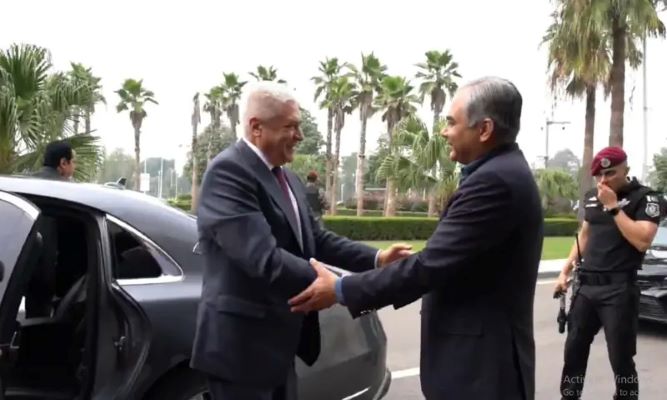
The agreement emerged during a meeting between Pakistan’s Interior Minister Mohsin Naqvi and Russian Interior Minister Vladimir Kolokoltsev in Islamabad on Wednesday. Their meeting was followed by delegation-level talks, according to Pakistan’s interior ministry. The Russian minister arrived in Pakistan on Monday for a four-day visit at Naqvi’s invitation.
Both countries agreed to expand cooperation in areas of mutual interest. They discussed finalising the extradition treaty, an agreement on the exchange of criminals and the early implementation of a readmission agreement. Officials also pledged to sign an MoU covering the prevention of organised crime and the exchange of information.
روس کے وزیر داخلہ ولادیمیر کولاکولتسیف کی وزارت داخلہ آمد،وفاقی وزیر داخلہ محسن نقوی سے اہم ملاقات
دونوں وزرائے داخلہ کے درمیان وفود کی سطح پربھی مذاکرات ہوئے
پاک روس وزرائے داخلہ کا مشترکہ مفادات کے شعبوں باہمی تعاون کو فروغ دینے کا عزم https://t.co/qiorLc6Sor— Ministry of Interior GoP (@MOIofficialGoP) October 14, 2026
Naqvi described the proposed MoU as an important milestone in bilateral cooperation. The two sides also agreed to strengthen coordination between Pakistan’s Anti-Narcotics Force and relevant Russian institutions. Working groups from both interior ministries will visit each other’s countries to advance cooperation and discuss practical arrangements.
Cybercrime prevention also featured prominently in the discussions. Pakistan and Russia agreed to increase cooperation between the National Police Academy and the Russian Police Academy. Naqvi expressed interest in learning from Russia’s experience in tackling cybercrime. Kolokoltsev said Russia had reduced cybercrime by 33 per cent through effective measures.
The two countries also discussed facilitating visas for tourists and businesspeople, alongside opportunities to send skilled Pakistani workers to Russia. Naqvi said easier visa procedures could strengthen people-to-people contacts. He added that around 1,300 Pakistani students were currently studying in Russia and expressed interest in increasing educational opportunities.
Kolokoltsev stressed the importance of joint action against organised crime, including terrorism, drug smuggling and illegal migration. The latest discussions come as Pakistan and Russia continue to develop economic and energy ties. Pakistan began importing Russian crude oil in 2023 as Islamabad sought more affordable energy supplies. The proposed Pakistan Russia extradition treaty and related agreements could further expand cooperation on security and law enforcement.