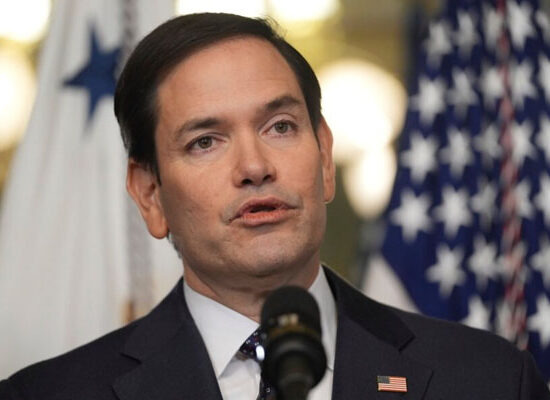

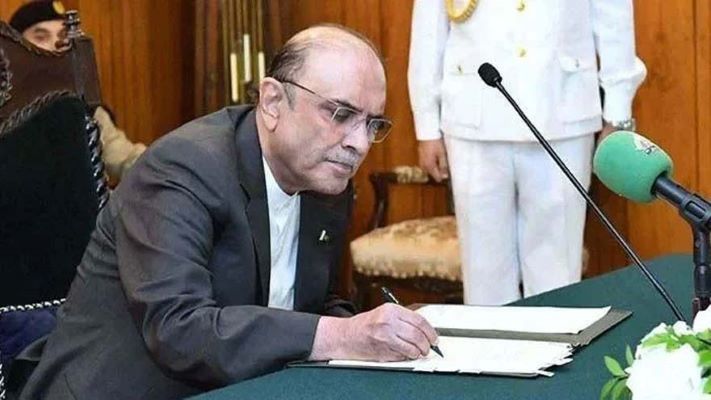
President Asif Ali Zardari has approved the imposition of an emergency and governor’s rule in Khyber Pakhtunkhwa under Articles 232(1) and 234(1) of the Constitution, according to an announcement issued by the President’s House on Sunday. The proclamation has taken immediate effect, marking a major development in the province’s political and administrative situation.
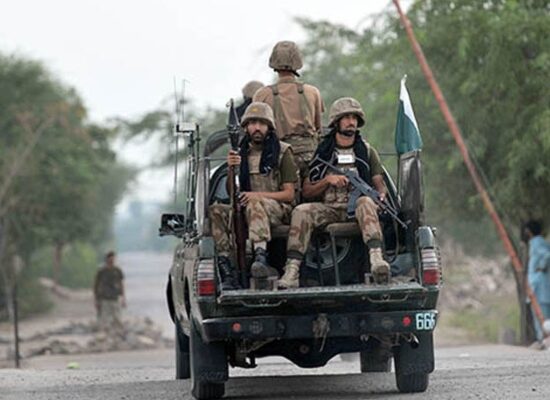
The presidential announcement cited a worsening security situation, including increased terrorist attacks on government installations, critical infrastructure and law enforcement agencies. It stated that the provincial government had failed to take effective measures to address terrorism and lawlessness. A report by the KP governor also reportedly highlighted concerns about the functioning of the constitutional system in the province.
Under the proclamation, the federal government may direct the governor to assume some or all functions of the provincial government. The governor will exercise powers assigned by the federal government, while the powers of other provincial authorities and institutions may also be transferred to the governor under the prescribed arrangements.
The proclamation further states that the powers of the Khyber Pakhtunkhwa Assembly will be exercised by Parliament or under its authority. The chief minister, provincial ministers, advisers, special assistants and advocate general will cease to hold their respective offices under the announced measures.
The decision followed a federal cabinet meeting chaired by Prime Minister Shehbaz Sharif, during which members reviewed the province’s security situation and approved recommending emergency measures to the president. Interior Minister Mohsin Naqvi and Minister of State Talal Chaudhry subsequently visited the presidency to brief the president on the cabinet’s decision.
During the meeting, cabinet members also considered efforts to obtain the provincial government’s cooperation in counterterrorism operations. According to the supplied report, Deputy Prime Minister Ishaq Dar contacted Jamiat Ulema-e-Islam-Fazl chief Maulana Fazlur Rehman and asked him to help persuade the provincial administration to cooperate with the federal government.
Security reports presented to the cabinet reportedly recorded a 195 per cent increase in terrorist incidents in KP between March 1, 2024, and September 23, 2026. The reports also highlighted attacks on police and security personnel, the use of drones and improvised explosive devices, and operational challenges faced by provincial law enforcement agencies.
The assessments further identified more than 9,000 vacant police positions and shortages of modern weapons, surveillance equipment, protected vehicles and specialised counterterrorism personnel. The emergency declaration is expected to have significant constitutional and administrative implications, with further developments depending on the implementation of the proclamation and the applicable legal process.