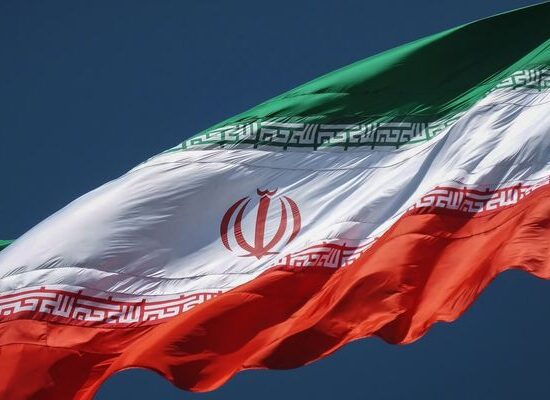

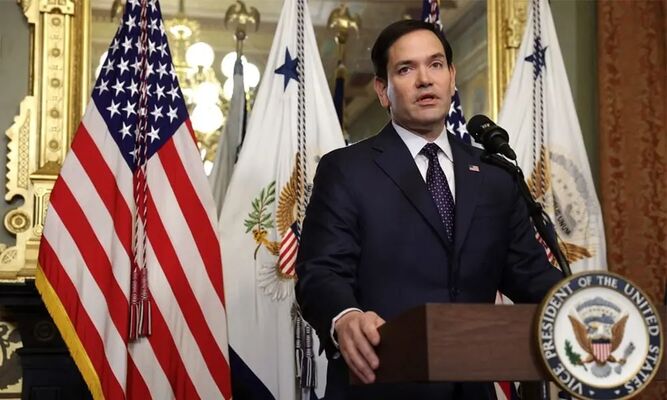
US Secretary of State Marco Rubio said on Monday that Washington is aiming for a strong US Iran agreement through diplomacy, but warned that alternative measures remain possible if negotiations fail. Speaking to reporters in New Delhi, Rubio stressed that the United States wants peaceful progress before considering any other course of action.
Rubio explained that the US is giving diplomacy every opportunity to succeed. According to him, discussions involving Iran have shown signs of movement, particularly regarding the reopening of the Strait of Hormuz and broader talks linked to Tehran’s nuclear programme. The comments come during a period of heightened regional tension.
The proposed US Iran agreement could include a time-limited framework focused on nuclear negotiations and regional stability. Rubio said there is a “solid” proposal currently being discussed that may help reduce tensions between both countries. He also expressed cautious optimism that diplomatic efforts could deliver positive results.
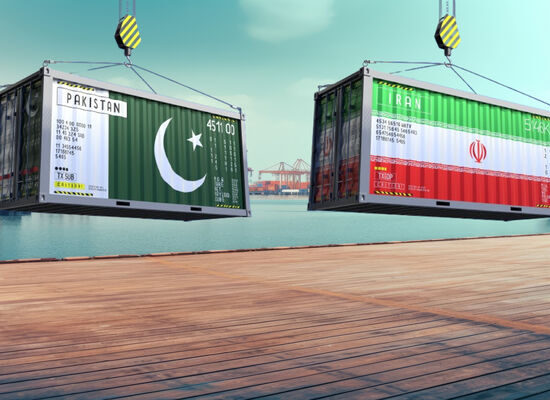
The Strait of Hormuz remains one of the world’s most important shipping routes for global oil supplies. Any disruption in the area can affect international energy markets and increase economic uncertainty. Rubio’s remarks highlighted the strategic importance of keeping the waterway open and secure for global trade.
The latest statements also reflect Washington’s broader foreign policy approach in the Middle East. While the Biden administration previously pursued indirect talks with Tehran, the current US leadership appears focused on balancing diplomacy with pressure. Analysts believe the success of a US Iran agreement could reshape regional politics.
Iran has not yet issued an official response to Rubio’s latest remarks. However, recent signals from both sides suggest that backchannel communication and diplomatic contacts remain active. International observers continue to watch closely for any breakthrough in the negotiations.
Rubio concluded by saying that the United States prefers a peaceful resolution but is prepared for other options if necessary. The future of the US Iran agreement now depends on whether both countries can find common ground on nuclear issues, regional security, and maritime stability in the Gulf.