
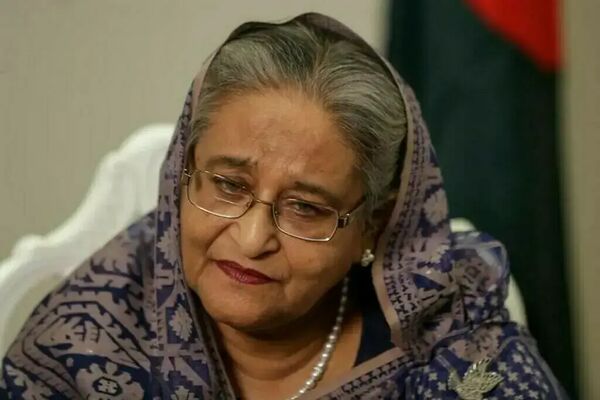
Former Bangladesh Prime Minister Sheikh Hasina return to Bangladesh plans have been announced, with the exiled leader saying she intends to return from India around December alongside senior Awami League colleagues to surrender before the country’s courts. In an interview with Reuters, Hasina said she was prepared to face arrest despite the legal cases and death sentence against her.
Hasina, 78, has been living in India since fleeing Bangladesh in 2024 after nationwide protests brought an end to her two decades in power across multiple terms. Bangladesh’s war crimes tribunal later sentenced her to death in absentia over allegations linked to a deadly crackdown on a student-led uprising, charges that she continues to reject.
The former prime minister said she believes returning voluntarily is the right course of action, even if it puts her life at risk. She stated that she wishes to return to her homeland, where her parents are buried, and said she is willing to accept whatever legal consequences await her.
Hasina also revealed that several senior Awami League leaders in exile are expected to accompany her and surrender before the courts. She added that many party workers have faced arrests, legal cases and political pressure since her government was removed from office.
The announcement comes as relations between Bangladesh and India remain strained over New Delhi’s decision to provide Hasina refuge. Dhaka has repeatedly requested her extradition, while India has previously stated that it is reviewing the request and remains committed to constructive engagement with Bangladesh’s interim government.
Reflecting on her political career, Hasina acknowledged that governments can make mistakes but insisted that the ultimate judgment belongs to voters. She maintained that the Awami League should be allowed to participate in politics, arguing that the public should decide its future through democratic elections rather than political restrictions.
Her planned return is likely to become a major political development ahead of Bangladesh’s future electoral process. Analysts believe it could deepen political divisions while also testing the country’s judicial system, democratic institutions and its handling of one of the nation’s most influential political figures.