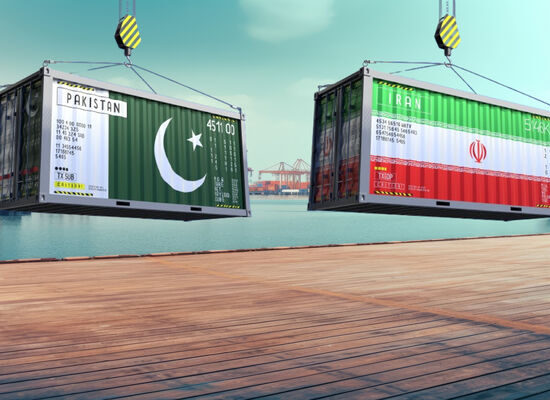

Iran has declared that the Strait of Hormuz will not reopen through what it described as American military aggression, signaling another escalation in the ongoing confrontation between Tehran and Washington. Iranian military officials insisted that respect for Iran’s rights, rather than military pressure, remains the only path toward restoring normal conditions in the strategic waterway.
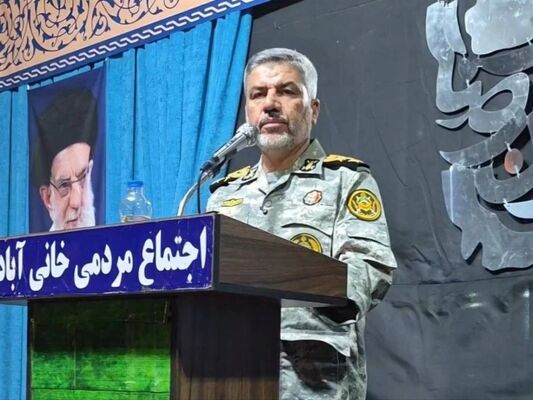
Iranian Army spokesperson Brigadier General Mohammad Akraminia said the country’s armed forces would continue defending their position on the Strait of Hormuz. He stated that Iran remained committed to responding to attacks against its interests and vowed to honor those killed during the conflict. His remarks came after US President Donald Trump announced plans to reinforce a naval blockade and proposed charging a 20% fee on cargo passing through the waterway.
The latest tensions were accompanied by fresh military developments across the region. Iran claimed it launched ballistic missile strikes against a US air base in Jordan, while Jordanian authorities said their air defense systems intercepted several incoming missiles before they reached their targets. The US military also confirmed another round of strikes against Iranian positions as operations continued for a third consecutive night.
— U.S. Central Command (@CENTCOM) July 14, 2026
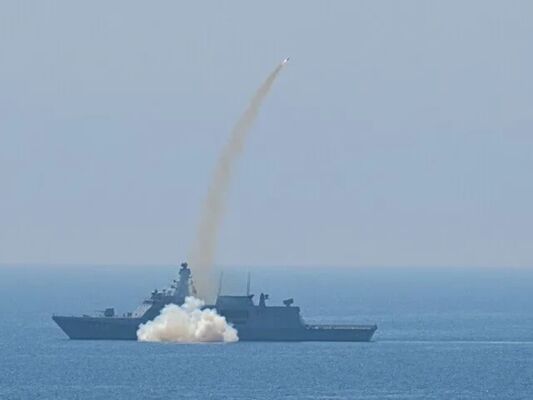
Iran further announced that it had targeted American military assets in Kuwait, including communication facilities, fuel depots, ammunition storage sites, and air defense systems using drones and missiles. Iranian naval forces also claimed to have struck a US vessel in response to earlier missile attacks on Iranian military installations.
Meanwhile, Iran submitted a formal complaint to the United Nations, accusing the United States of repeatedly violating the Islamabad Memorandum of Understanding. Iranian officials argued that Washington had failed to uphold its commitments and instead continued actions that undermined the agreement and increased regional instability.
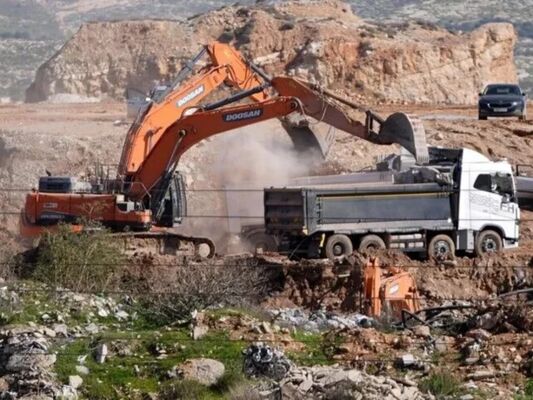
The wider security situation also remained volatile beyond the Gulf. Reports from southern Lebanon described fresh Israeli strikes, including explosions in multiple towns and the demolition of residential buildings. The incidents added to concerns that regional conflicts could continue expanding alongside the US-Iran confrontation.
The Strait of Hormuz remains one of the world’s most important energy corridors, carrying a significant share of global oil exports. Continued military exchanges and diplomatic disputes have heightened concerns over international shipping, energy markets, and broader Middle East security as governments