
China has called on the United States and Iran to restore safe navigation through the Strait of Hormuz, urging both countries to reduce tensions over one of the world’s most important maritime trade routes. Beijing said the uninterrupted movement of commercial shipping is essential for global energy security and regional stability.
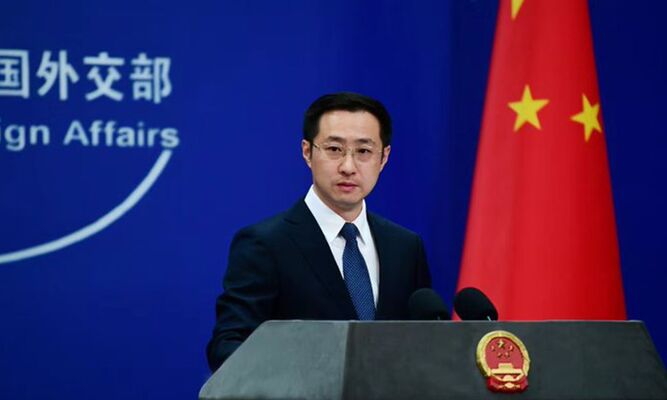
Speaking at a regular media briefing, Chinese Foreign Ministry spokesperson Lin Jian said restoring normal and secure passage through the Strait of Hormuz was in the interest of the international community. He added that China would continue making “unremitting efforts” to promote dialogue, ease tensions, and support peace in the Gulf region.
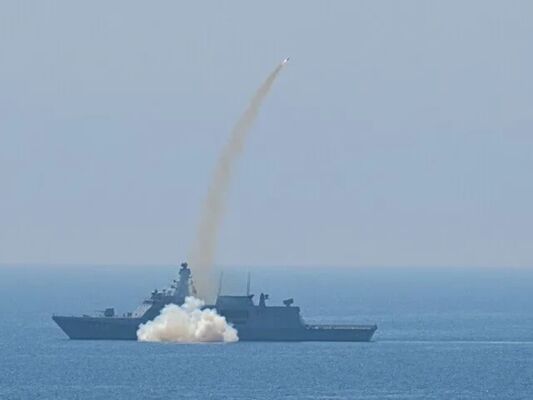
China’s statement came after the United States reinstated a naval blockade on Iran following attacks involving vessels operating in the strategic waterway. The renewed confrontation has increased concerns over the safety of commercial shipping and the uninterrupted flow of oil and liquefied natural gas through the Gulf.
The Strait of Hormuz is one of the world’s busiest energy corridors, carrying a significant share of global crude oil and LNG exports. Any disruption to maritime traffic through the narrow passage can affect international energy markets, shipping costs, and supply chains worldwide.
Meanwhile, Qatar strongly condemned the reported attack on United Arab Emirates oil tankers in the Strait of Hormuz. In a statement, Qatar’s Ministry of Foreign Affairs described attacks on commercial vessels as unacceptable and said such actions violate international law and threaten freedom of navigation.
The ministry also condemned attacks by Yemen’s Houthi movement on Saudi Arabia, warning that continued violence against regional states and commercial shipping poses serious risks to Gulf security and broader Middle East stability. It called for respect for international law and the protection of maritime routes.
China has repeatedly advocated diplomatic solutions to regional conflicts and emphasized dialogue over confrontation. Its latest appeal reflects growing international concern that prolonged tensions around the Strait of Hormuz could disrupt global trade, energy supplies, and regional peace if the situation continues to escalate.