
The International Monetary Fund (IMF) has called on Pakistan to phase out its broad fuel subsidy scheme and restrict financial support to deserving consumers. The IMF fuel subsidy Pakistan recommendation was issued as part of the Fund’s latest review of the country’s economic programme.
The IMF said Pakistan had made strong efforts to meet the programme’s economic targets and that the Fund-supported programme had helped improve macroeconomic stability. It also noted progress in the country’s reform process following the latest economic review and staff-level agreement.
According to the IMF statement, Pakistan’s economy grew by 4% during the July-March period of fiscal year 2026. However, growth was affected by the Middle East crisis, with the full-year rate estimated at 3.6%. The Fund also noted that inflation reached its highest level in May, while strong remittances helped keep the current account deficit under control.
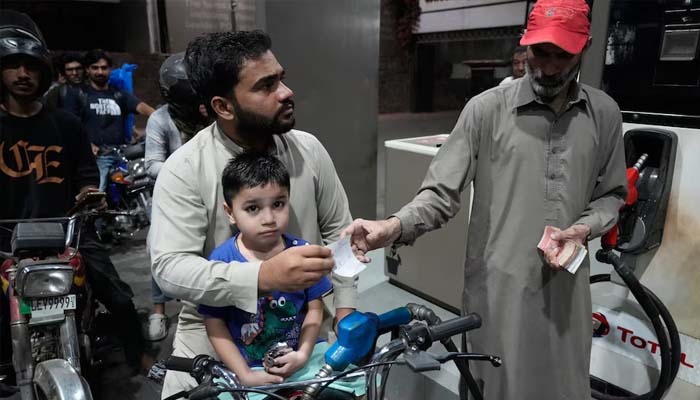
The IMF said Pakistan should not expand fuel subsidies and should gradually move away from the existing broad-based support mechanism. Under the IMF fuel subsidy Pakistan recommendations, any assistance linked to higher oil prices should be limited, targeted and provided for a specific period.
The Fund also urged Pakistan to improve energy-sector reforms and strengthen the recovery of outstanding payments. It called for measures to reduce production costs while improving collections and cutting losses in the gas sector. These steps are intended to limit financial pressures across the energy system.
The IMF further advised the State Bank of Pakistan to maintain an appropriately tight monetary policy to keep inflation within a suitable range. It also called on Pakistan to continue building foreign exchange reserves and ensure timely adjustments in energy tariffs. The Fund stressed that cost-reduction measures remain important for the sector.
The recommendations come alongside the latest IMF review, under which Pakistan is expected to receive around $1.21 billion after approval by the Fund’s Executive Board. The financing is linked to continued implementation of economic reforms, including measures involving energy, subsidies, monetary policy and fiscal management. Pakistan will need to maintain progress on these areas as it moves forward with the programme.