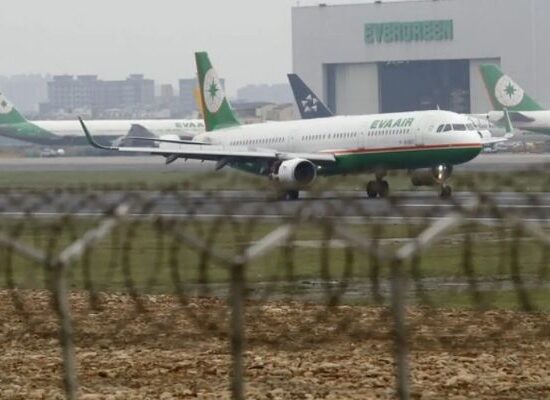

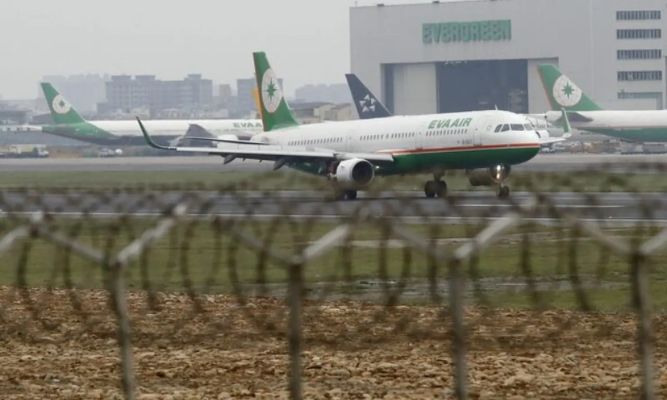
Pakistan has reversed its decision to close its airspace to Taiwanese airlines, allowing them to resume flights over the country. The Pakistan airspace ban on Taiwan airlines was initially linked to Islamabad’s support for China’s One China policy. According to Bloomberg, Pakistan’s Civil Aviation Authority has permitted China Airlines and EVA Airways to use its airspace from October 28 to March 27.
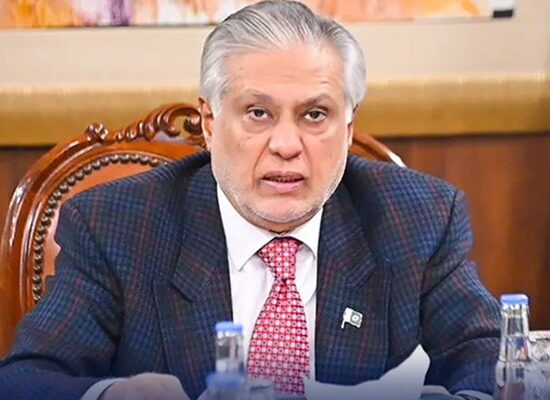
Earlier, Defence Minister Khawaja Asif told Bloomberg News that Pakistan’s aviation division followed the One China policy. He said Pakistan had permitted only airlines from mainland China to fly over its territory. However, the latest decision allows the two Taiwanese carriers to use Pakistani airspace again, reversing the earlier restrictions.
Flight tracking data from Flightradar24 showed that China Airlines and EVA Airways began changing their routes over the previous weekend. Both airlines stopped using Pakistani airspace from the morning of October 25. The changes affected flights connecting Asia and Europe, forcing carriers to consider longer alternative routes.
Since Sunday, at least a dozen flights operated by the two airlines between Asia and Europe have flown over Russia, according to the report. Taiwan’s Civil Aviation Administration did not comment on the route changes. However, it stated that it had never prohibited Taiwanese airlines from flying over Russian territory.
Although Russia had not formally banned Taiwanese airlines, many Asian, European and North American carriers had avoided Russian airspace since the war in Ukraine began. These decisions reflected wider changes in international aviation routes following the conflict. Pakistan’s earlier restrictions reportedly went further than mainland China’s policy, as China allows Taiwanese airlines to use its airspace.
Taiwanese airlines had relied heavily on Pakistani airspace for flights between Asia and Europe. According to the reported figures, 14 flights operated by China Airlines and EVA Airways crossed Pakistan on October 24 alone. The Pakistan airspace ban on Taiwan airlines therefore threatened to disrupt established flight routes and increase operational challenges for the carriers.
Longer routes through South Asia, the Middle East or Russia can add several hours to flight times. These detours also increase fuel consumption and operating expenses, potentially placing additional financial pressure on Taiwanese airlines. Pakistan’s decision to restore access could help reduce these disruptions, although the broader aviation implications will depend on how airlines adjust their flight schedules and routes.