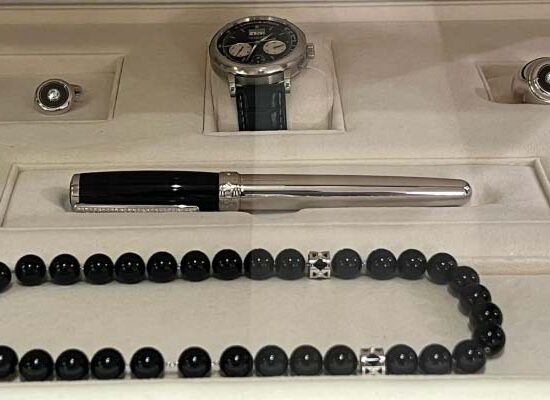

ISLAMABAD: Pakistan’s new Toshakhana rules have removed the previous option that allowed government officials to retain gifts worth up to $300 by paying their assessed market value. The revised framework introduces stricter procedures for handling official gifts and places greater emphasis on state ownership, public auctions, and financial transparency.
Under the 2026 Toshakhana (Management and Regulation) Rules, gifts received by public officials must be deposited in the Toshakhana when they cannot appropriately be declined on diplomatic or cultural grounds. Gifts eligible for sale are to be offered through open public auctions, replacing the earlier approach that permitted certain lower-value items to be retained through payment.
However, the new policy allows specific categories of gifts to be excluded from public auctions. Antiques and items of cultural or historical significance are exempt, while valuable gifts and those considered diplomatically or internationally sensitive may also receive exemptions. A committee headed by the Cabinet Secretary, with senior representatives from relevant ministries, will determine the treatment of these items.
The exemption provisions have raised questions about how valuable gifts will be managed. Exclusion from an auction does not automatically mean that the recipient can keep an item for personal use. Instead, the committee’s classification decisions will play an important role in determining the next steps for such gifts.
The revised rules also introduce more detailed valuation safeguards. The Federal Board of Revenue and a private-sector evaluator will assess each gift’s market value. If their estimates differ by more than 25%, a third valuation will be obtained. Assessments older than three months cannot be used to establish the minimum auction price, which must not fall below the assessed market value.
Transparency measures include publishing gift valuations, reserve prices, and final auction amounts on an online portal updated monthly. Officials and their family members will be barred from participating in auctions, while direct media coverage and annual third-party audits are also предусмотрed under the framework. Donor identities and countries will not be disclosed on the portal.
Proceeds from the auctions will be deposited into a separate account to support primary education for girls in Pakistan’s most disadvantaged areas. Ultimately, the effectiveness of the Pakistan Toshakhana Rules 2026 will depend on consistent enforcement, transparent exemptions, and proper public accounting of gifts kept outside the auction process.