
The El Niño weather pattern could remain strong until February 2027, the World Meteorological Organization (WMO) has warned. The United Nations agency says the phenomenon could further raise global temperatures and intensify weather risks in several regions.
The WMO expects El Niño to reach its peak strength toward the end of 2026. However, its effects could continue into 2027, influencing temperatures and rainfall patterns around the world. The warning comes as climate change is already pushing global temperatures to record levels.
Scientists say greenhouse gas emissions from fossil fuels and other human activities have trapped large amounts of heat in the Earth’s climate system. The developing El Niño could add further warming by releasing heat stored in the Pacific Ocean into the atmosphere.
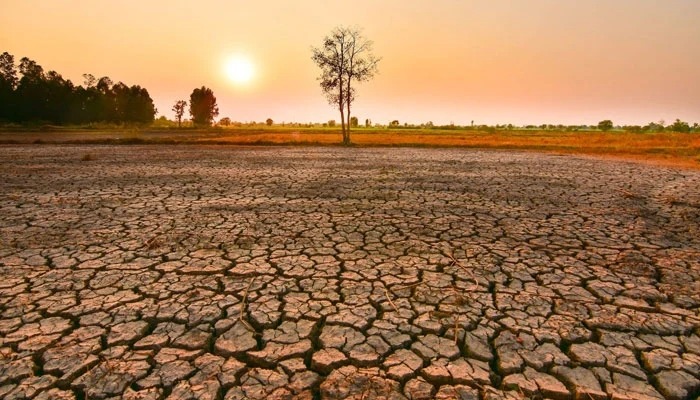
El Niño occurs when surface waters across the central and eastern tropical Pacific become warmer than normal. This change can disturb global atmospheric circulation and alter rainfall patterns. Some regions may face heavier rainfall and flooding, while others could experience drought and extreme heat.
The effects could also be significant across South Asia. Monsoon rainfall can weaken during El Niño, increasing the risk of dry conditions in some areas. Other parts of the world, including regions of Africa and the Americas, can experience unusually heavy rainfall or storms depending on changing atmospheric conditions.
The WMO has forecast above-normal temperatures across almost every part of the world between September and November. The agency says stronger El Niño conditions could increase the likelihood of extreme heat, droughts, floods and other weather-related hazards. Warmer ocean temperatures could also influence tropical storm activity in different regions.
The previous major El Niño developed in 2023 and contributed to exceptionally high global temperatures, with 2024 recorded as the warmest year on record. The WMO says the latest El Niño adds another layer of risk to a planet already experiencing climate change, making preparations for extreme weather increasingly important.