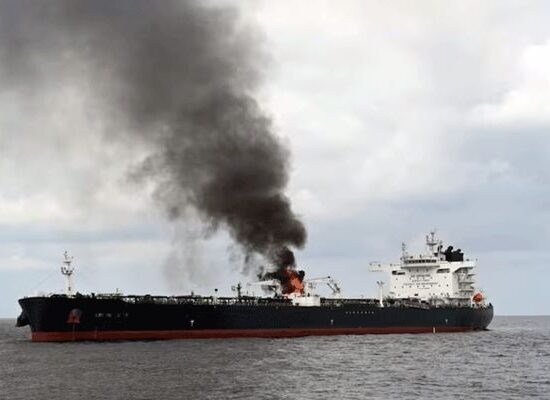


The Strait of Hormuz closure impact on Asia has become a major concern for regional economies, according to Japanese Prime Minister Sanae Takaichi. She warned that disruptions in this critical waterway are creating significant pressure on energy-importing nations.
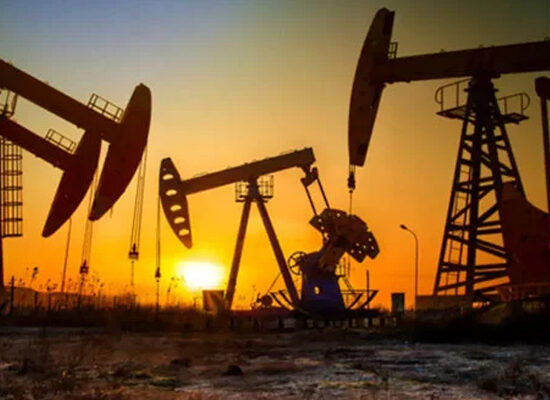
Speaking after high-level talks in Canberra with Australian Prime Minister Anthony Albanese, Takaichi said the ongoing situation is “inflicting enormous impact” on the Asia-Pacific region. Nearly 20% of global oil shipments pass through the Strait of Hormuz, making it a vital global energy corridor.
The discussions between Japan and Australia focused heavily on energy security, critical minerals, and defense cooperation. Both countries agreed that instability in the Middle East continues to threaten global supply chains and energy stability.
Takaichi emphasized that Japan and Australia must respond with urgency and close coordination. She said both countries share concerns over shipping security and the need to protect essential maritime routes.
Australian Prime Minister Anthony Albanese supported Japan’s position, stating that global energy shocks and instability require stronger cooperation between trusted partners to secure reliable energy supplies.
During the summit, both countries signed several agreements covering economic security, defense collaboration, and supply chain resilience. Officials described the partnership as increasingly strategic amid global uncertainty.
Japan and Australia also highlighted plans to strengthen cooperation in critical minerals and defense industries. This includes joint development of military systems and improved interoperability between their armed forces.
The Strait of Hormuz closure impact has especially affected Asian economies, which depend heavily on Middle Eastern oil imports. Leaders warned that prolonged disruption could further strain global markets and energy prices.