
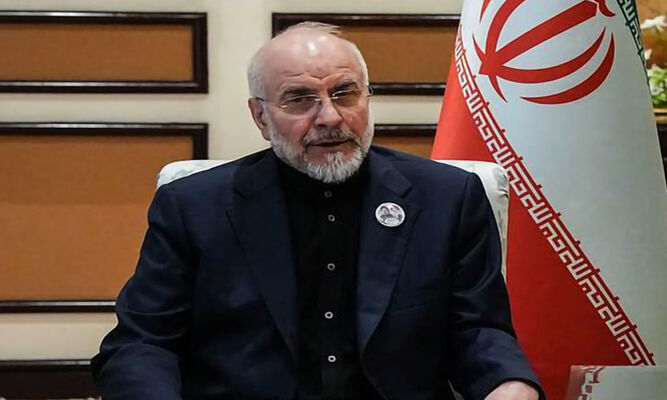
Iran accuses US of MoU breaches as tensions between Tehran and Washington continue to escalate following recent military strikes and diplomatic disputes. Iranian Parliament Speaker Mohammad Baqer Qalibaf said the United States had violated key provisions of the bilateral Memorandum of Understanding (MoU), warning that pressure would not change Iran’s strategic policies.
The memorandum, brokered with Pakistan’s assistance and signed on July 17, established a framework aimed at reducing hostilities and creating a 60-day window for negotiations toward a permanent settlement. Under the agreement, Iran pledged to restore commercial shipping through the Strait of Hormuz, while both sides committed to reducing military tensions.
In a statement posted on the social media platform X, Qalibaf alleged that Washington had breached the agreement in four major areas. He claimed the United States interfered with Iran’s maritime measures in the Strait of Hormuz, reimposed unilateral oil sanctions, carried out military strikes in southern Iran, and failed to prevent continued Israeli military operations in Lebanon.
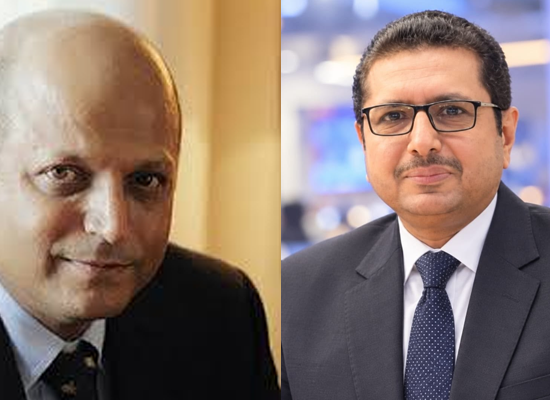
Iran’s Deputy Foreign Minister for Legal and International Affairs, Kazem Gharibabadi, also accused Washington of repeatedly violating Articles 1 and 2 of the MoU during the past three weeks. He argued that ongoing military developments in Lebanon and official US statements reflected non-compliance with the agreement.
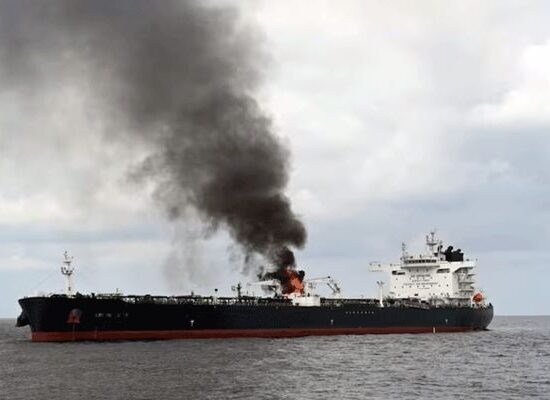
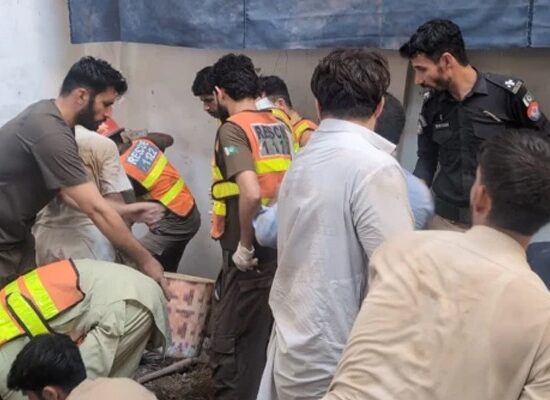
The diplomatic dispute unfolded alongside heightened military activity in the Gulf region. Residents in Iran’s Hormozgan Province reported explosions near Sirik County and Qeshm Island, while US Central Command (CENTCOM) confirmed carrying out airstrikes on more than 80 targets inside Iran.
Following the attacks, Iran’s Khatam al-Anbiya Central Headquarters warned that the country’s armed forces would deliver what it described as a “crushing response.” Military officials also reiterated that Iran would continue to administer maritime traffic through the Strait of Hormuz in accordance with its national policies.
The latest developments have further weakened hopes for diplomatic progress between Tehran and Washington. Regional observers warn that continued military escalation could threaten Gulf security, disrupt global energy markets, and complicate future negotiations aimed at restoring stability.