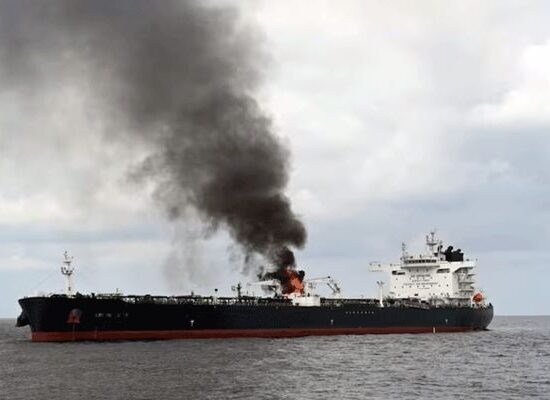

The Iran proposal Strait of Hormuz plan has been rejected by U.S. President Donald Trump, according to an Iranian official, prolonging uncertainty over global energy markets. The proposal aimed to reopen critical shipping routes before addressing nuclear negotiations.
The suggested framework from Tehran included reopening the Strait of Hormuz and ending mutual blockades. In exchange, nuclear discussions would be delayed to a later phase, allowing both sides to first de-escalate tensions and stabilize trade flows.
The conflict has already led to one of the largest disruptions in global energy supplies in recent history. For over two months, Iran has restricted most shipping traffic in the Gulf, while the United States imposed its own blockade targeting Iranian ports.
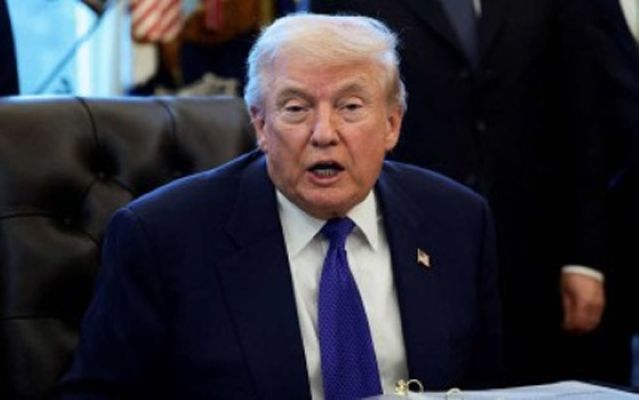
Despite the proposal, Trump expressed dissatisfaction, stating that Iran’s demands were unacceptable. He did not provide detailed objections but reiterated that any agreement must prevent Iran from acquiring nuclear weapons, a central U.S. condition.
Iran, however, maintains that its nuclear program is peaceful. Officials argue that separating the Iran proposal Strait of Hormuz plan from nuclear talks could create a more constructive environment for future negotiations and reduce immediate economic pressures.
According to a senior Iranian official, the proposal includes guarantees that the U.S. and Israel would halt further attacks. In return, Iran would reopen the waterway, and Washington would lift restrictions, paving the way for phased diplomatic engagement.
With no agreement reached so far, tensions remain high. The Iran proposal Strait of Hormuz strategy highlights ongoing divisions between the two sides, leaving global markets and diplomatic efforts in a state of uncertainty.