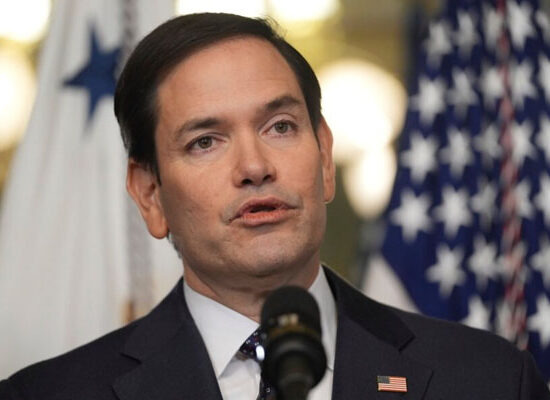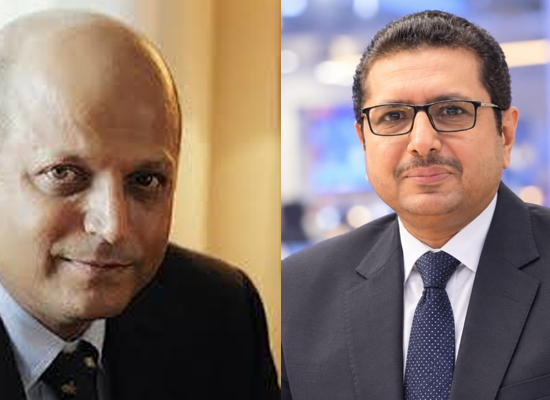

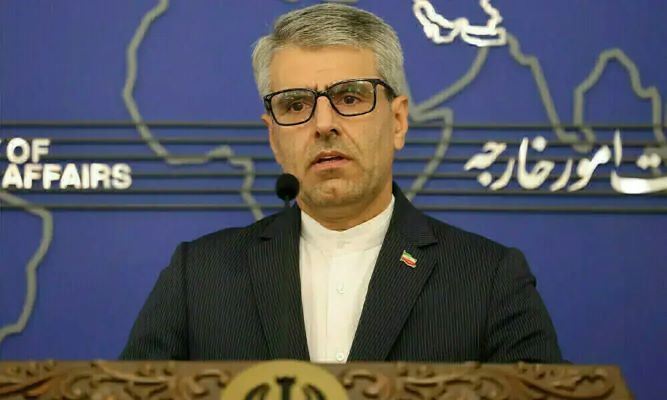
Iran is reviewing the United States’ response to its proposal on reopening the Strait of Hormuz and will send a reply through intermediaries once the review is complete. Iranian Foreign Ministry spokesperson Esmaeil Baghaei confirmed the development on Monday, October 12, as diplomatic efforts to resolve the conflict remain stalled.
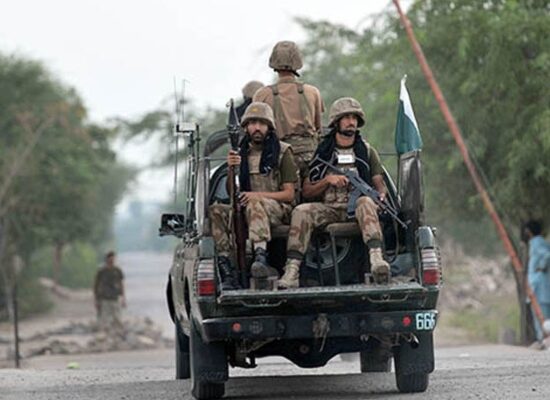
Speaking at a press conference, Baghaei said Tehran continues to exchange messages with Washington through intermediaries. He did not provide further details about the ongoing communications. Pakistan and Qatar have been among the countries involved in mediation efforts aimed at ending the conflict.
The diplomatic process has faced difficulties since Iran submitted its proposal in mid-September. Tehran later confirmed receiving a response from Washington. However, Iran’s security chief said on Sunday that the US response did not adequately address the seven conditions set by Iran for reopening the waterway and returning to negotiations.
A major disagreement concerns the timing of discussions on Iran’s nuclear programme. Washington wants the nuclear issue addressed from the beginning of negotiations. Tehran, however, argues that talks should initially focus on reopening the Strait of Hormuz and restoring security in the strategic waterway.
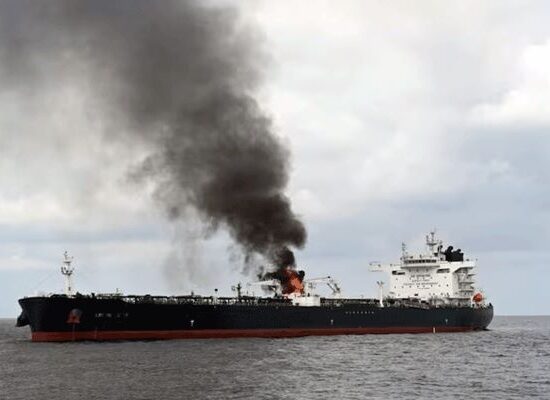
The Strait of Hormuz is a critical global shipping route for energy supplies. Before the conflict, approximately one-fifth of global oil and liquefied natural gas trade passed through the strait. Disruptions to this route can affect energy markets and international shipping, making its reopening a major concern for regional and global economies.
The diplomatic deadlock follows a conflict that began with US and Israeli strikes on Iran on February 28. An interim ceasefire reached in June later collapsed, and intermittent strikes resumed. Efforts by mediators to bring the parties back to negotiations have continued amid differences over the sequence and scope of discussions.
Meanwhile, Baghaei addressed the escalating conflict involving Saudi Arabia and Yemen’s Houthi movement, which is allied with Iran. He said Tehran remained willing to support a peaceful resolution through dialogue. He also called for efforts to follow a United Nations roadmap and support an agreement between Yemenis and Saudi Arabia, emphasizing dialogue as the preferred way to resolve the crisis.