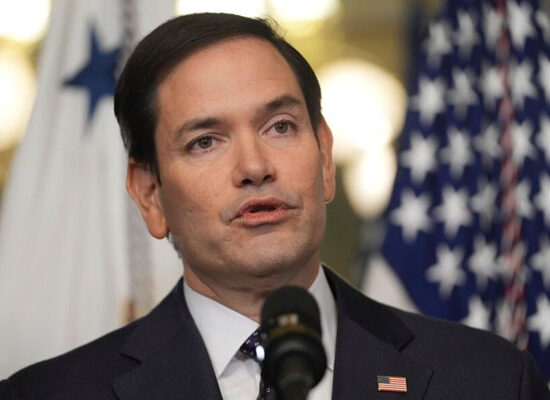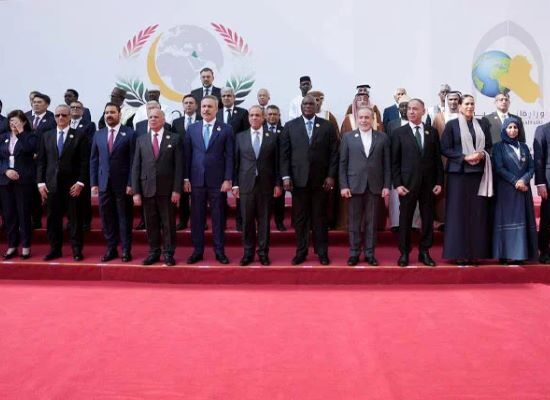

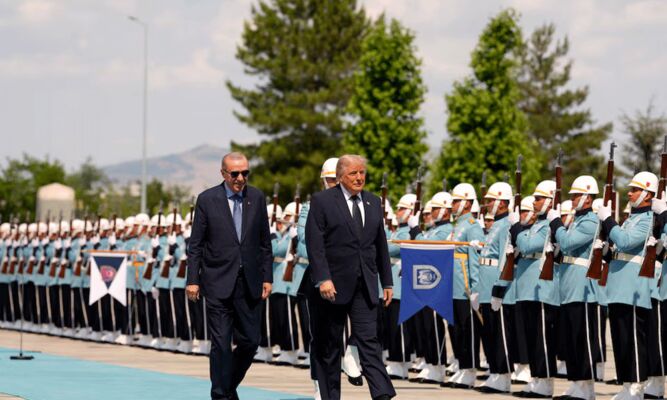
The NATO summit in Ankara began with growing diplomatic tensions as leaders from the alliance’s 32 member states gathered for high-level talks. US President Donald Trump renewed criticism of NATO allies, raising concerns over the Iran conflict, European defense commitments, and the future of Greenland, setting a challenging tone for the summit.
After arriving in the Turkish capital, Trump said he had considered skipping the summit but decided to attend because of his close relationship with Turkish President Recep Tayyip Erdoğan. He also suggested that the United States could further reduce its military presence in Europe, reinforcing calls for European nations to assume greater responsibility for their own defense.
Ahead of the main summit session, NATO highlighted new defense agreements worth at least $50 billion, presenting them as evidence that European allies are increasing military spending. The announcement reflected ongoing efforts to address long-standing US demands for greater burden-sharing within the alliance.
Trump also criticized NATO’s role during the recent conflict involving Iran, saying the United States had not received sufficient support from its European partners. He argued that Washington has consistently backed its allies while expecting stronger cooperation during major international crises.
The US president further commented on relations with Italian Prime Minister Giorgia Meloni, acknowledging that ties had cooled over disagreements related to Iran. Trump also repeated his view that Greenland should come under US control, prompting Danish Prime Minister Mette Frederiksen to reaffirm Denmark’s sovereignty over the autonomous territory and state that Greenland is not for sale.
Meanwhile, NATO ambassadors approved a draft summit declaration reaffirming the alliance’s commitment to collective defense. The statement is expected to be formally endorsed by heads of state and government during Wednesday’s main session, highlighting NATO’s continued unity despite political differences.
European leaders remain focused on maintaining strong transatlantic cooperation while gradually increasing defense capabilities. They also seek an orderly transition in security responsibilities, emphasizing that unity within NATO remains essential as the alliance responds to evolving global security challenges.