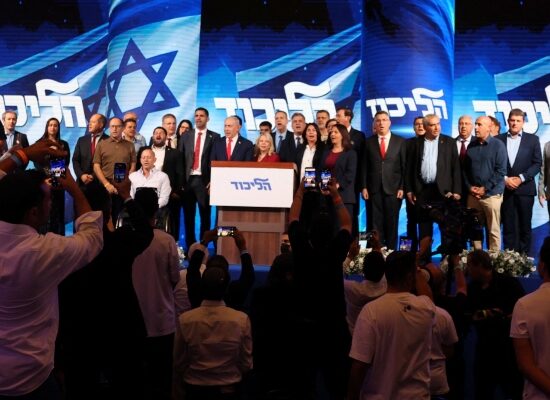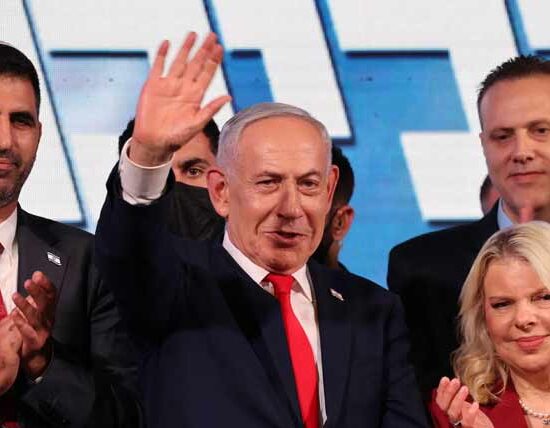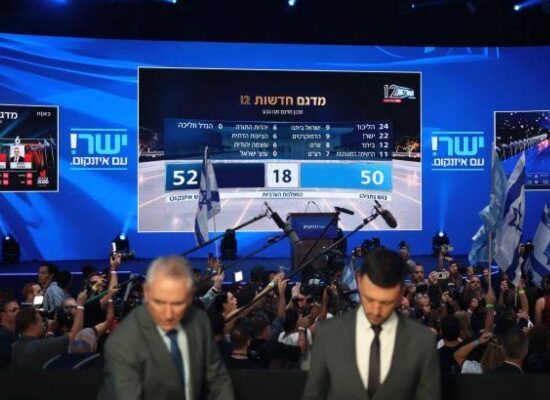

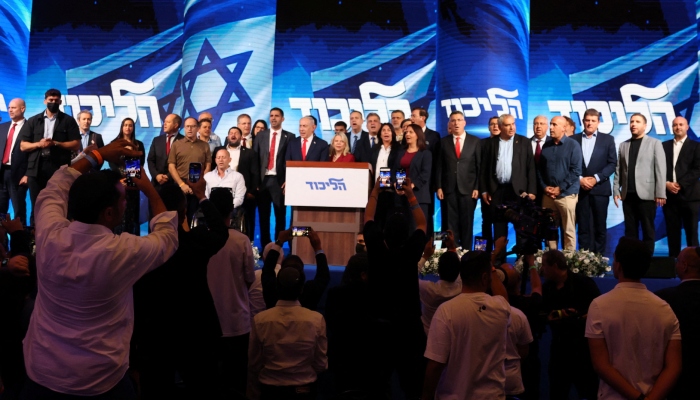
Israel’s latest election figures suggest that Benjamin Netanyahu’s political bloc may struggle to secure a parliamentary majority. According to the figures provided, approximately 90 percent of the votes had been counted, with Netanyahu’s coalition projected to win 53 seats in the 120-member Knesset. The opposition bloc was expected to secure 48 seats, leaving the country’s political future uncertain.
Netanyahu’s Likud Party emerged as the largest individual party, with a projected 26 seats. However, its leading position has not translated into a clear path to government formation. The performance of smaller coalition partners could prove decisive, as political groups seek the parliamentary support needed to establish the next government.
Far-right allies Itamar Ben-Gvir and Bezalel Smotrich are also expected to face setbacks. Their parties, which held a combined 20 seats in the previous parliament, could see their total fall to 13. Both politicians have strongly supported Israel’s military campaign in Gaza, making the projected decline significant for Netanyahu’s broader political alliance.
The opposition bloc is expected to benefit from the performance of Yashar, a new party associated with former Israeli military chief Gadi Eisenkot, which is projected to win 21 seats. Political groups associated with former prime minister Naftali Bennett and opposition leader Yair Lapid are expected to secure a combined 12 seats, according to the supplied figures. Opposition leaders argue that the results reflect public resistance to Netanyahu’s leadership.
Israel uses a nationwide proportional representation system in which voters cast ballots for political parties rather than individual constituency candidates. Parliamentary seats are allocated according to each party’s share of the vote. As a result, coalition negotiations and agreements between political groups play a central role in determining who can form a government.
The reported voter turnout reached 78 percent, while increased participation among Arab citizens is expected to strengthen Arab political representation. The figures suggest that the Joint List could win 12 seats and the Arab List seven, bringing their projected combined total to 19. Despite this potential influence, both major political blocs are reportedly reluctant to include Arab parties in a governing coalition.