
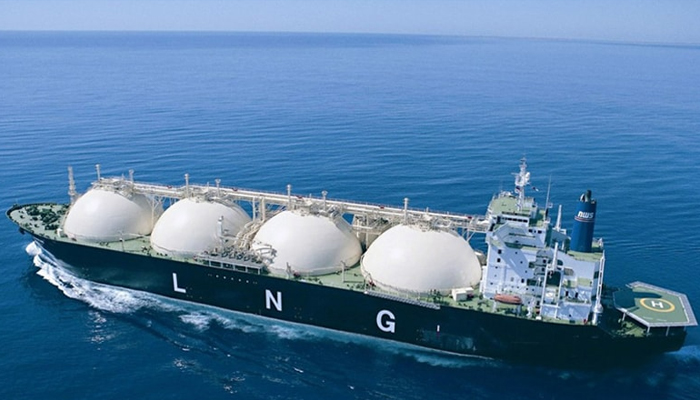
Pakistan may continue facing higher energy import costs after QatarEnergy extended the force majeure affecting LNG supplies from the Ras Laffan production complex until the end of August 2026.
The extension comes as Pakistan remains dependent on imported liquefied natural gas to meet domestic energy demand. With contracted LNG cargoes affected by the ongoing force majeure, the country has been forced to secure additional supplies from the international spot market, where prices are often significantly higher than those agreed under long-term contracts.
Energy sector analysts believe the continued disruption could place further pressure on Pakistan’s energy import bill, particularly during periods of increased demand for electricity and natural gas. The situation has highlighted the importance of stable LNG supply arrangements for maintaining energy security and controlling fuel costs.
Federal Minister for Petroleum and Natural Resources, Ali Pervaiz Malik, said the government is closely monitoring the situation and remains hopeful that normal LNG deliveries under the long-term agreement with Qatar will resume once the force majeure is lifted.
According to the minister, if the restriction ends in September 2026 as expected, Pakistan could begin receiving contracted LNG cargoes on a regular schedule again. He added that the government intends to pass on the benefits of lower international energy prices to consumers whenever market conditions allow.
Industry experts say the coming months will be critical for Pakistan’s energy sector as authorities work to balance supply requirements, manage import costs, and ensure uninterrupted fuel availability for power generation and industrial consumption.