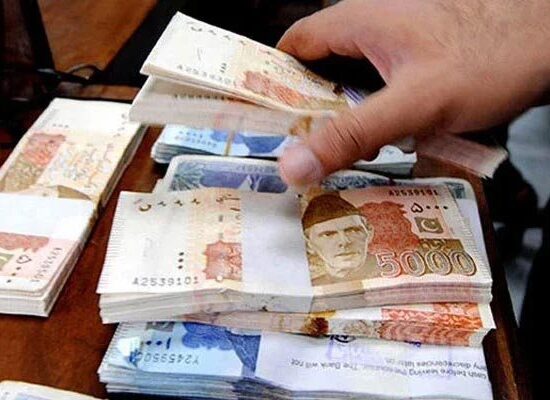

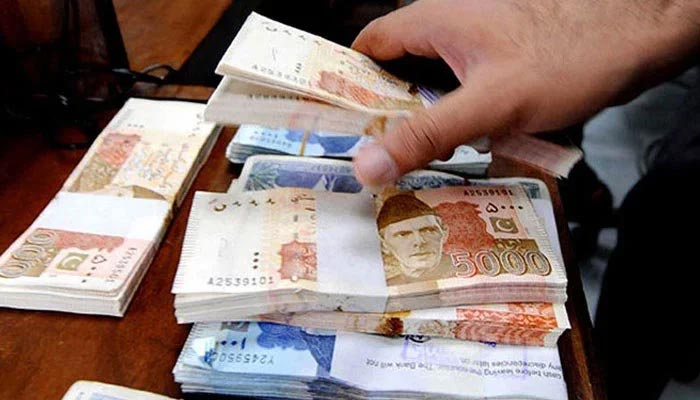
ISLAMABAD: Pakistan is facing growing fiscal pressure as interest payments on domestic and external debt consume an increasing share of government resources. According to the figures provided, annual debt interest payments are estimated at Rs8 trillion for the current fiscal year, exceeding defence and development spending.
The rising cost of servicing public debt is narrowing the federal government’s financial flexibility. As a substantial portion of public revenue is allocated to interest payments, fewer resources may be available for infrastructure, healthcare, education and other public services.
The outlook for Pakistan’s debt servicing costs remains challenging over the medium term. Interest payments on both domestic and external borrowing are expected to remain elevated, putting continued pressure on the federal budget and limiting the government’s capacity to finance other priorities.
Projections cited in the supplied information suggest that annual interest payments could reach Rs10 trillion by fiscal year 2030-31. If realised, this increase would intensify the pressure on public finances. However, the figure represents a projection rather than a confirmed future expenditure.
The available figures also suggest that the federal government could be left with approximately Rs3 trillion for other expenses after meeting its debt interest obligations. Such a situation would make it increasingly difficult to balance development spending, public services and other government commitments without additional revenue or spending adjustments.
Efforts to reduce provincial fiscal deficits are also relevant to Pakistan’s broader fiscal position. However, deficit reduction alone may not immediately resolve the debt servicing challenge. The overall debt stock, interest rates, repayment schedules and government revenue will all influence future financing requirements.