

Hopes for a US Iran Peace Deal have weakened after US President Donald Trump rejected Tehran’s latest proposal and described it as “garbage,” escalating tensions between Washington and Tehran. The development comes as efforts to secure a ceasefire continue to face major diplomatic setbacks.
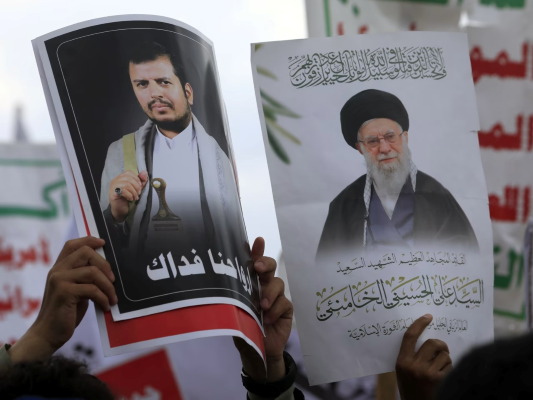
According to international reports, Iran has demanded a broader end to hostilities across multiple fronts, including conflicts involving its regional allies. Tehran has also insisted on recognition of its sovereignty over the Strait of Hormuz, compensation for war-related damages, and the lifting of restrictions linked to US sanctions.
President Trump, however, dismissed Iran’s response and said the ceasefire agreement was “on life support.” He stated that the US proposal focused on stopping the fighting first before addressing deeper issues such as Iran’s nuclear program. The breakdown has further reduced optimism surrounding a US Iran Peace Deal.
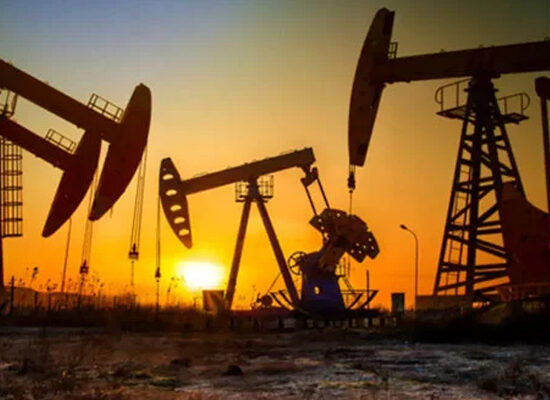
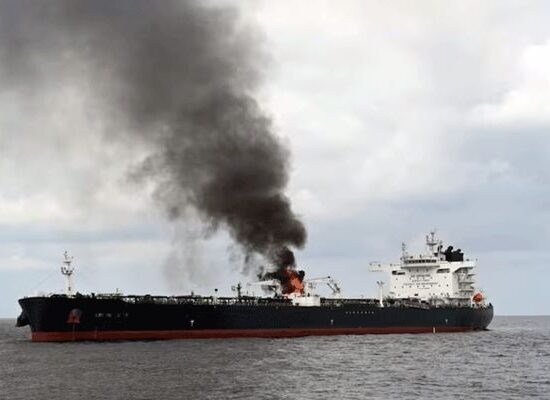
The ongoing conflict has already disrupted global energy markets, with Brent crude prices rising above $104 per barrel. The Strait of Hormuz, a critical oil transit route, has seen severe shipping disruptions, significantly affecting global supply chains and energy exports from Gulf countries.
Energy analysts warn that continued instability could deepen inflationary pressures worldwide. Oil-producing nations have already reported declining output, while shipping companies are avoiding key maritime routes due to security risks in the region.
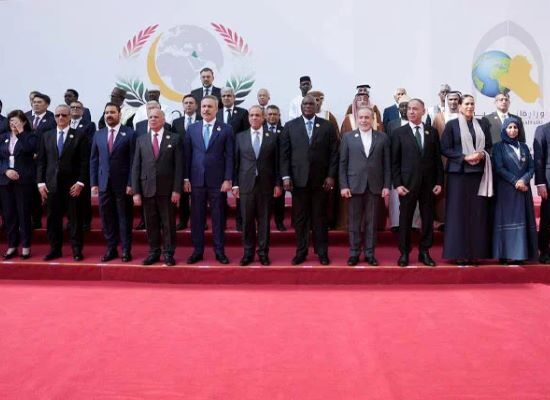
Diplomatic efforts continue behind the scenes, with countries such as China, Pakistan, and Turkey playing roles in mediation attempts. However, no breakthrough has been achieved so far, and international divisions remain a major obstacle to any sustainable agreement.
The failure to progress toward a US Iran Peace Deal also carries political implications for Washington, where public opposition to the conflict is growing. As tensions persist, global leaders are now focusing on preventing further escalation in the Middle East while ensuring stability in energy supply routes.