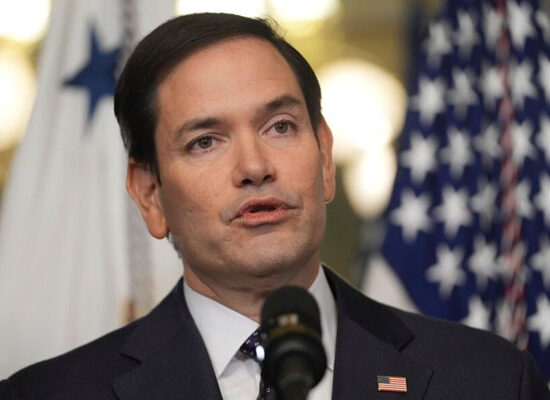

The future of the US-Iran Deal remains uncertain as US Defense Secretary Pete Hegseth stated that Washington is fully prepared to resume military action against Iran if diplomatic efforts fail. His remarks came as negotiations continue and President Donald Trump considers a proposal aimed at ending tensions between the two countries.
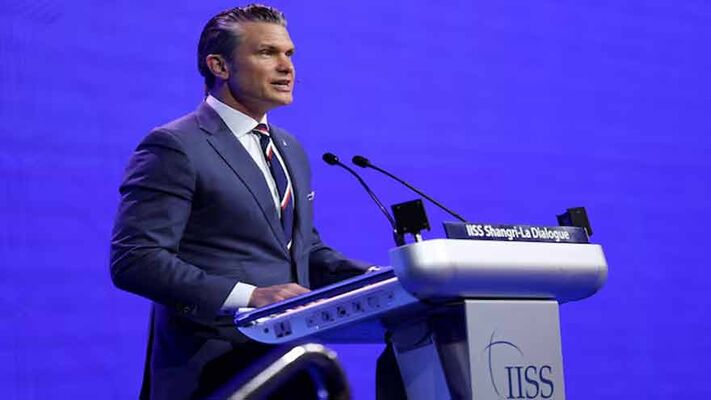
Speaking in Singapore, Hegseth said the United States possesses the capability to restart operations if necessary. He stressed that the Trump administration prefers a diplomatic solution but remains committed to preventing Iran from developing a nuclear weapon. The comments highlighted the delicate balance between diplomacy and military preparedness surrounding the US-Iran Deal.
Trump reportedly met with senior advisers at the White House to discuss the proposal but delayed making a final decision. While some reports suggested an agreement was close, Iranian officials maintained that no final arrangement had been reached. The differing statements have added uncertainty to the ongoing negotiations.
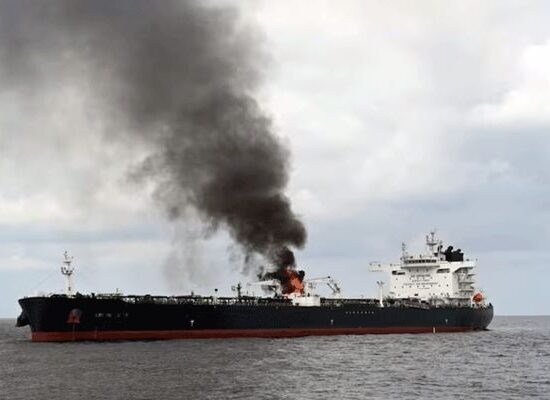
The debate over the US-Iran Deal comes amid broader concerns about stability in the Middle East. The conflict has affected regional security and raised questions about its impact on global markets. Analysts believe any breakthrough could reduce tensions, while failure could increase the risk of renewed confrontation.
Hegseth rejected suggestions that developments in the Middle East would distract Washington from its priorities in the Asia-Pacific region. He emphasized that the United States remains capable of managing multiple security challenges at the same time while maintaining its commitments to allies.
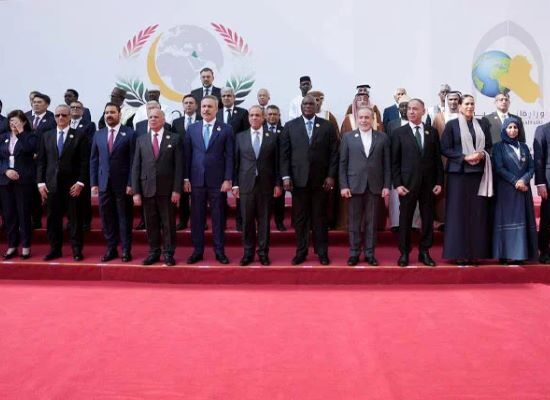
During the Shangri-La Dialogue, Hegseth also urged Asian partners to increase defense spending in response to China’s expanding military presence. He argued that stronger regional cooperation is necessary to maintain stability and prevent any single power from dominating the Indo-Pacific region.
As discussions over the US-Iran Deal continue, global attention remains focused on Washington and Tehran. The coming days may prove critical in determining whether diplomacy succeeds or whether the possibility of renewed military action returns to the forefront of international politics.