
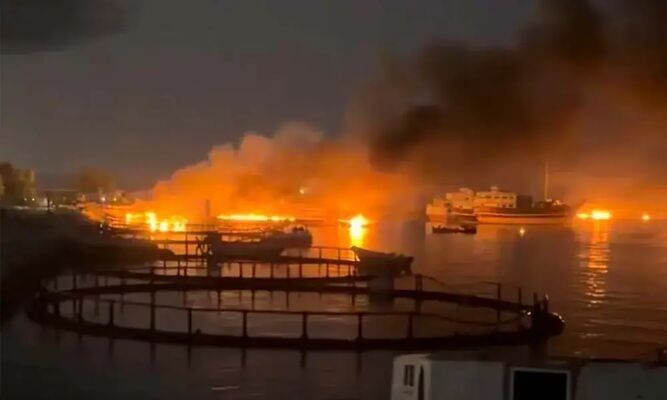
The US strikes on Iran intensified on Wednesday as Washington launched a new wave of military attacks against Iranian targets, marking a return to direct confrontation after weeks of fragile diplomacy. The renewed fighting follows the reimposition of a US naval blockade and has heightened concerns about security in the Middle East and global energy supplies.
US Central Command said the operation targeted facilities allegedly linked to attacks on commercial shipping in the Strait of Hormuz. Iranian media reported explosions near Bandar Abbas, Qeshm Island, Bandar Imam Khomeini and Bushehr. The latest military action came less than a month after both countries agreed to an interim understanding aimed at reducing tensions.
Iran’s Revolutionary Guards claimed responsibility for launching attacks toward the US Fifth Fleet in Bahrain. Bahraini authorities said their defence systems intercepted incoming threats, while Jordan confirmed it had shot down several Iranian missiles. The developments underline the growing risk of wider regional instability.
At 6 a.m. ET today, U.S. Central Command forces began launching a wave of strikes against Iran. The strikes are designed to further degrade military capabilities Iranian forces have used to attack commercial shipping in the Strait of Hormuz.
— U.S. Central Command (@CENTCOM) July 15, 2026
US President Donald Trump warned that additional strikes could target Iranian infrastructure, including power plants and bridges, if Tehran refuses to resume negotiations. Although military operations have restarted, diplomatic contacts between both sides have not officially been suspended, leaving a narrow possibility for renewed talks.
The Strait of Hormuz remains the centre of the dispute. Iran has again declared the strategic waterway closed until the United States ends what it calls aggression. In response, Washington restored restrictions on Iranian ports but withdrew a proposed shipping levy, saying it preferred broader trade and investment arrangements with Gulf partners.
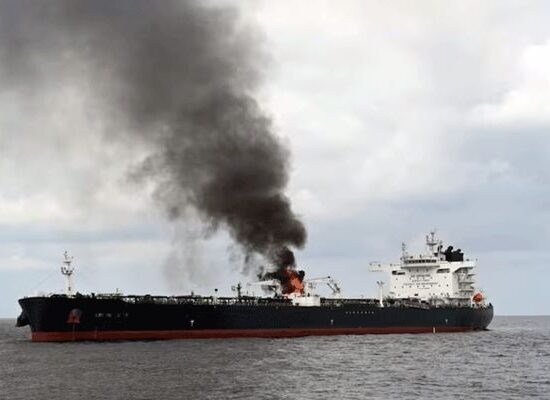
The renewed conflict has also disrupted maritime security. A Norwegian oil tanker was reportedly damaged near the Omani coast, while Kuwait said one of its naval vessels was struck during an Iranian missile and drone attack, leaving four crew members injured. Regional governments continue to monitor the rapidly changing security situation.
Iranian officials said recent US military operations have caused dozens of casualties, while the country’s armed forces confirmed additional military losses during Wednesday’s strikes. Meanwhile, Israeli Prime Minister Benjamin Netanyahu warned Tehran against launching attacks on Israel, saying any aggression would receive a strong response. The US strikes on Iran have once again increased fears of prolonged conflict and possible disruptions to global trade.