
IMF has imposed 11 new structural benchmarks on Pakistan as part of ongoing economic reform negotiations. Under the latest IMF new conditions on Pakistan, the government may be required to repeatedly increase gas and electricity prices while implementing major tax and governance reforms.
According to reports, the IMF has proposed a tax collection target of Rs15.267 trillion for the next fiscal year for the Federal Board of Revenue. To achieve this ambitious target, the government is expected to introduce approximately Rs430 billion in additional taxes.
The proposed revenue measures include around Rs215 billion through new taxes, while another Rs115 billion could be collected through stronger tax enforcement and administrative improvements. Economic analysts believe these measures may increase financial pressure on consumers and businesses already facing inflation.
In addition, the government is likely to collect nearly Rs1.727 trillion from petroleum levy charges during the upcoming fiscal year. The petroleum levy has become a major revenue source under Pakistan’s economic stabilization efforts linked to the IMF program.
The IMF’s new conditions also include parliamentary approval of the upcoming federal budget, strengthening anti-corruption mechanisms, improving public procurement transparency, and reforming tax revenue administration. The continuation of Pakistan’s unconditional cash transfer initiatives, particularly the Kafalat Program, has also been emphasized.
Among the key governance-related conditions are amendments to procurement rules, increased autonomy and transparency of the National Accountability Bureau, and preparation of a roadmap for gradually increasing exchange rate flexibility and regulatory transparency.
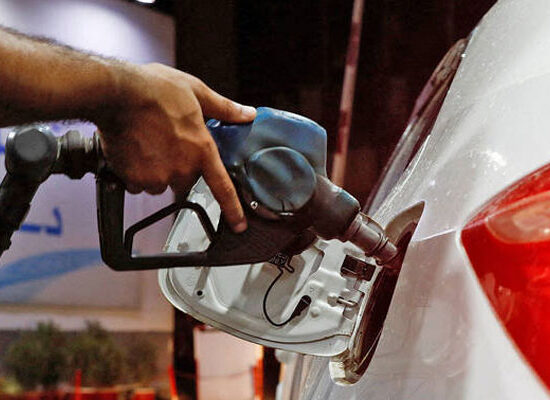
The energy sector conditions specifically require annual and semi-annual notifications for gas and electricity tariff increases. The IMF has also called for the complete withdrawal of incentives for Special Economic Zones by 2035 as part of broader fiscal reforms.