
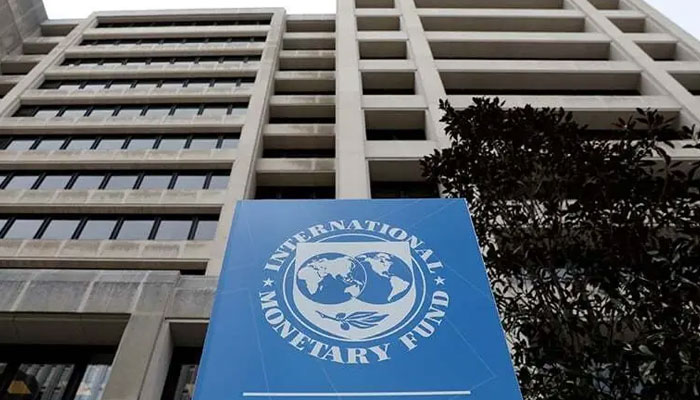
The International Monetary Fund (IMF) has urged Pakistan to take sustained measures to strengthen fiscal stability and address the country’s growing debt burden. During discussions with Pakistani authorities, the IMF mission emphasized the need for continued financial reforms and stronger measures to manage rising liabilities.
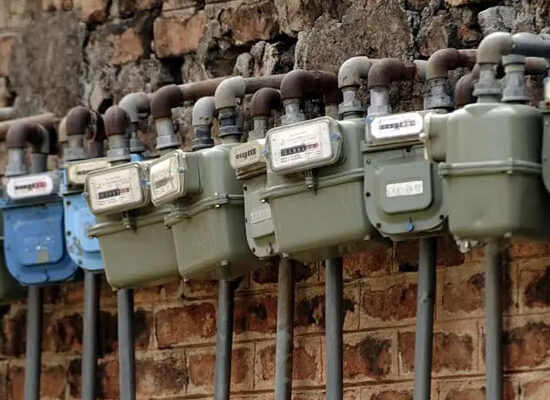
A key concern highlighted during the talks was the growing circular debt in Pakistan’s energy sector. The IMF stressed that the government needs to take practical and consistent steps to contain the accumulation of circular debt, which continues to put pressure on the country’s finances and the overall energy system.
The IMF also discussed Pakistan’s revenue position, particularly in the context of any proposal to reduce the petroleum levy. Officials were encouraged to identify alternative sources of revenue if petroleum levy rates are lowered, ensuring that any reduction in revenue is appropriately compensated through other fiscal measures.
Pakistani authorities assured the IMF that the government would continue implementing structural reforms despite the economic challenges emerging from the ongoing Gulf conflict. Officials indicated that the reform agenda would remain in place as Pakistan works to maintain financial stability and meet its economic commitments.
Fuel prices were another important issue during the discussions. Pakistani authorities indicated that the impact of higher international fuel costs would be passed on to consumers. However, the government has also introduced targeted subsidies aimed at providing support to vulnerable segments of society.
The approach reflects an attempt to balance fiscal requirements with relief for households facing pressure from higher energy and fuel costs. Targeted assistance is intended to focus support on people who are most affected, rather than providing broad-based subsidies that could place additional pressure on public finances.