

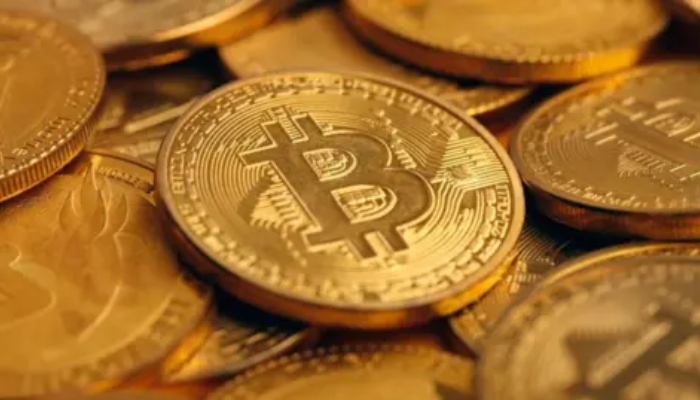
Global cryptocurrency exchange Binance has suffered a massive cyberattack, resulting in an estimated $6.3 billion worth of affected crypto assets. The incident is being described as the largest cryptocurrency theft in history, raising fresh concerns about the security of digital asset platforms.
According to international media reports and Binance’s official statement, the attack involved unauthorized transactions across multiple blockchain networks. The company immediately began working with blockchain partners and stablecoin issuers to trace and freeze the affected funds.
Following the incident, approximately $3 billion worth of cryptocurrency assets were frozen through cooperation with blockchain partners. The exchange also temporarily suspended deposits and withdrawals while conducting security checks to protect its systems and users.
Binance’s preliminary investigation suggests that the attack may have originated from a compromised laptop belonging to a DevOps engineer. Hackers allegedly used access gained through the device to enter a service container and initiate unauthorized withdrawal transactions.
The company has announced that it will cover all losses through its Secure Asset Fund for Users (SAFU) and corporate funds. Binance has also stated that there is currently no evidence indicating that wallet private keys were leaked, while assuring customers that their funds remain safe.
Meanwhile, blockchain intelligence firm TRM Labs has attributed the attack to TraderTraitor, a North Korean state-linked hacking group. According to the firm’s investigation, approximately $6.36 billion was transferred from Binance wallets across ten blockchain networks. The attribution is based on its analysis of on-chain and off-chain intelligence.
The Binance security breach has drawn comparisons with the February 2025 Bybit hack, during which approximately $1.5 billion in cryptocurrency was stolen. However, the latest incident is significantly larger in scale, making it a major event in the history of cryptocurrency security.