
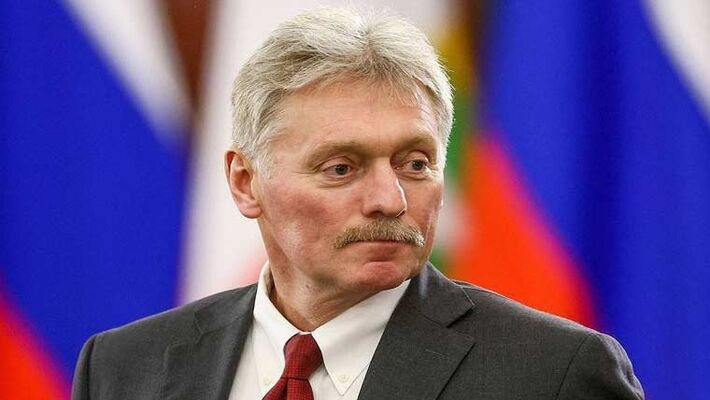
Kremlin military operation remained at the center of Russia’s latest statements on Tuesday as Kremlin spokesperson Dmitry Peskov accused the Ukrainian government of expanding what he described as hostile activities beyond the battlefield. His remarks came as tensions between Russia and Ukraine continue amid the ongoing conflict.
Speaking to reporters in Moscow, Peskov claimed that the geographic scope of Ukraine’s alleged operations had widened over time. Responding to a question regarding reported activities involving Ukrainian fighters in Iraq, he argued that Moscow viewed these developments as further evidence of growing security concerns.
The Kremlin spokesperson also alleged that Ukraine had previously been linked to several incidents outside its borders. Among the claims he mentioned were the Nord Stream gas pipeline explosions, attacks on infrastructure belonging to the Caspian Pipeline Consortium in Kazakhstan, and an attack on an Iranian cargo vessel.
Peskov said these alleged activities reinforced Russia’s position that the objectives of its military campaign must be fully achieved. According to him, completing what Moscow calls its “special military operation” remains necessary for Russia’s national security and broader regional stability.
Ukraine has consistently rejected Russian accusations related to terrorism and has repeatedly challenged many of Moscow’s claims during the conflict. Independent verification of the allegations mentioned by the Kremlin was not immediately available.
The latest remarks come as Russia and Ukraine continue exchanging accusations over security incidents and military operations. Diplomatic efforts to reduce tensions have produced limited progress, while the conflict remains a major source of instability in the region.
The war between Russia and Ukraine continues to shape international security discussions, with both sides maintaining sharply different narratives regarding responsibility for attacks and military actions. International observers continue to monitor developments as the conflict evolves.