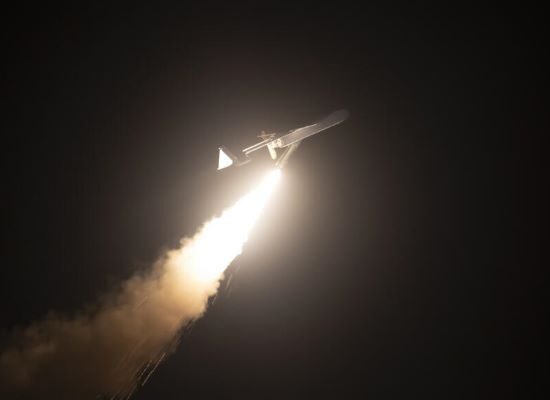

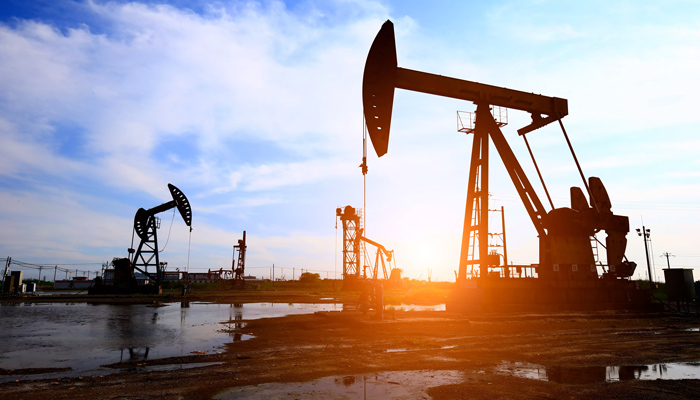
Global oil prices increased on Wednesday after Yemen’s Houthi group claimed it had carried out a missile attack on a Saudi oil tanker in the Red Sea. The development caused fresh concerns about regional security and energy supplies, leading to a rise in crude prices. The oil prices rise after Houthi attack came as investors closely monitored developments in the Middle East.
Brent crude futures increased by $1.07, or 1.35 percent, reaching $80.43 per barrel. US West Texas Intermediate (WTI) crude also gained 45 cents, or 0.59 percent, to trade at $76.22 per barrel, according to market data.
The Houthis said they targeted a Saudi oil tanker near Yanbu, a key port city on Saudi Arabia’s Red Sea coast. Analysts said the reported attack pushed prices higher as traders became concerned about possible disruptions to shipping routes and oil flows in the region.
The latest development reduced hopes of a quick reduction in Middle East tensions after earlier reports suggested progress in efforts to end the conflict. Oil prices had declined previously following statements that diplomatic efforts were moving forward, but the new attack claim increased uncertainty among investors.
Iran denied reports that peace negotiations were underway, despite comments from US President Donald Trump suggesting progress in talks. Market analysts said geopolitical risks remain a major factor influencing energy prices, particularly because of the importance of Middle Eastern oil routes.
The oil prices rise after Houthi attack also highlighted concerns surrounding the Strait of Hormuz, one of the world’s most important energy shipping routes. A significant share of global oil and liquefied natural gas supplies passes through the waterway, making any security threat a major concern for international markets.
Market sources reported that US crude and gasoline inventories increased last week, while distillate fuel stocks declined. Meanwhile, China further eased some fuel export controls in August, a move that could also influence global energy trade and market conditions.