
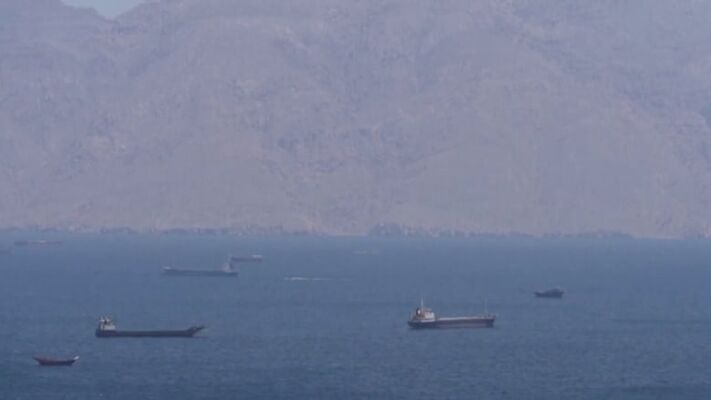
Strait of Hormuz has become the focus of a new diplomatic initiative after Oman presented Iran with a proposal for a joint regional mechanism to manage the strategic waterway. According to a Gulf source cited by Reuters, the plan seeks to improve maritime security while preventing any single country from exercising exclusive control over the vital shipping route.
The proposal reportedly has backing from regional countries and introduces a cooperative framework similar to the management model used for the Strait of Malacca. Under the suggested system, ships using the route would voluntarily contribute fees to support navigation services, environmental protection and search-and-rescue operations.
The initiative comes as hopes grow for a diplomatic breakthrough following the recent suspension of US air strikes against Iran. The pause in military operations has raised expectations that commercial shipping could gradually resume normal operations through the Strait of Hormuz, a passage that previously handled around one-fifth of global energy supplies.
US President Donald Trump said on Monday that Washington was engaged in “good talks” with Iran and suggested there was a possibility of reaching an agreement. However, he warned that US military strikes could restart if negotiations failed to produce meaningful results.
Diplomatic activity also intensified on Monday when Iranian Foreign Minister Abbas Araqchi held discussions with his counterparts from Oman and Saudi Arabia. The meetings focused on regional stability and the future security of the Strait of Hormuz amid ongoing diplomatic efforts.
According to Iran’s Foreign Ministry, Araqchi stressed the importance of strengthening regional cooperation and expanding joint diplomatic initiatives. He also said efforts should continue to restore stability and remove insecurity affecting the waterway, which Tehran attributes to recent US military actions.
If accepted, the Omani proposal could mark a significant shift in the management of one of the world’s busiest maritime trade routes. While no official agreement has been announced, regional governments appear to be exploring cooperative solutions that could reduce tensions, protect global energy supplies and support long-term stability in the Gulf.